From nanoscale to global scale: Advancing MIT’s special initiatives in manufacturing, health, and climate
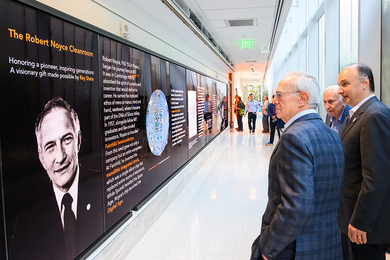
MIT.nano cleanroom complex named after Robert Noyce PhD ’53 at the 2025 Nano Summit.
MIT.nano cleanroom complex named after Robert Noyce PhD ’53 at the 2025 Nano Summit.
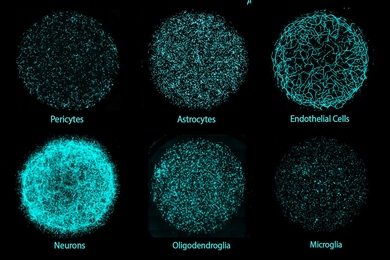
Cultured from induced pluripotent stem cells, “miBrains” integrate all major brain cell types and model brain structures, cellular interactions, activity, and pathological features.
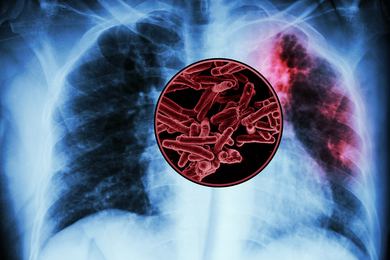
Using these antigens, researchers plan to develop vaccine candidates that they hope would stimulate a strong immune response against the world’s deadliest pathogen.
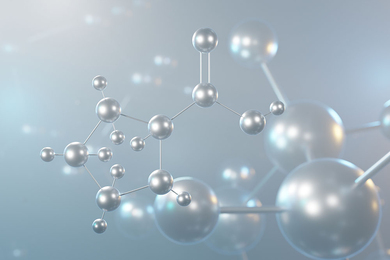
Adding amino acids to certain protein-based medications can improve stability and effectiveness. New MIT research demonstrates how it works.

A beloved member of the Department of Mechanical Engineering for nearly 60 years, Yannas helped save the lives of thousands of burn victims through his research and innovation.
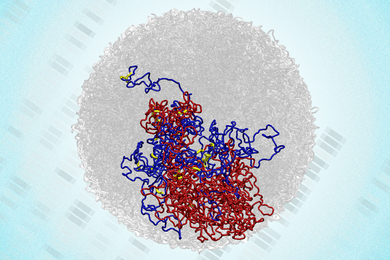
Enabled by a new high-resolution mapping technique, the findings overturn a long-held belief that the genome loses its 3D structure when cells divide.
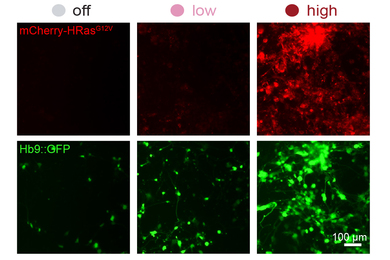
The promoter editing system could be used to fine-tune gene therapy or to more efficiently reprogram cells for therapeutic use.
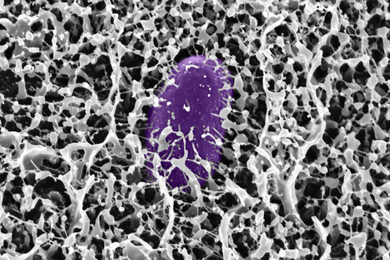
MIT researchers now hope to develop synthetic versions of these molecules, which could be used to treat or prevent foodborne illnesses.
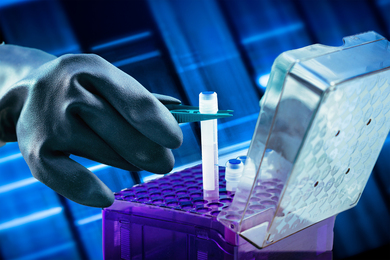
Cache DNA has developed technologies that can preserve biomolecules at room temperature to make storing and transporting samples less expensive and more reliable.
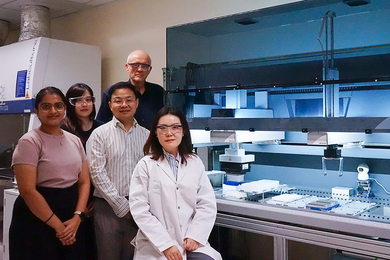
Advance from SMART will help to better identify disease markers and develop targeted therapies and personalized treatment for diseases such as cancer and antibiotic-resistant infection.
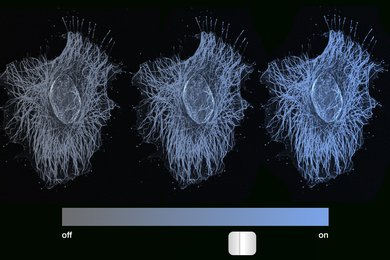
The findings may redefine how cell identity is established and enable the creation of more sophisticated engineered tissues.
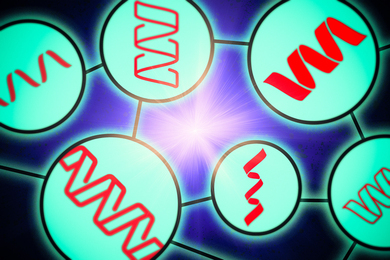
A new approach can reveal the features AI models use to predict proteins that might make good drug or vaccine targets.

The team used two different AI approaches to design novel antibiotics, including one that showed promise against MRSA.

MIT spinout Tissium recently secured FDA marketing authorization of a biopolymer platform for nerve repair.
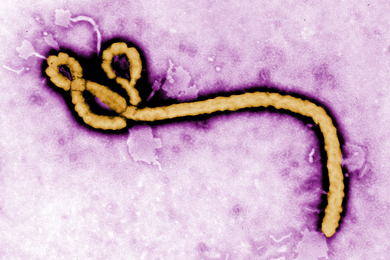
Combining powerful imaging, perturbational screening, and machine learning, researchers uncover new human host factors that alter Ebola’s ability to infect.