
Exploring the nanoworld of biogenic gems
Project will develop new materials characterization tools and technologies to assign unique identifiers to individual pearls.
Project will develop new materials characterization tools and technologies to assign unique identifiers to individual pearls.
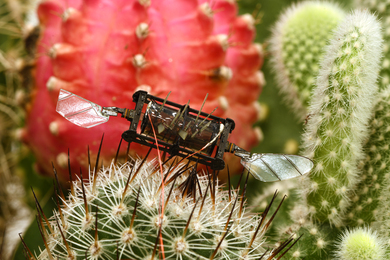
New repair techniques enable microscale robots to recover flight performance after suffering severe damage to the artificial muscles that power their wings.

Inspired by jellyfish and octopuses, PhD candidate Juncal Arbelaiz investigates the theoretical underpinnings that will enable systems to more efficiently adapt to their environments.
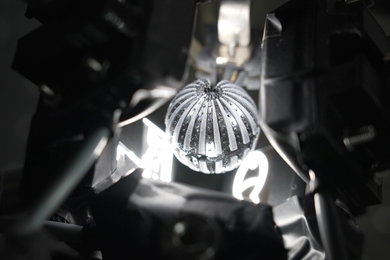
Inspired by a fiddler crab eye, scientists developed an amphibious artificial vision system with a panoramic visual field.

The technique opens a door to manufacturing of pressure-monitoring bandages, shade-shifting fabrics, or touch-sensing robots.
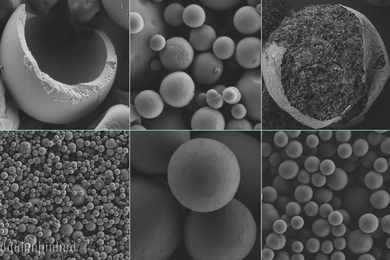
Researchers have developed a biodegradable system based on silk to replace microplastics added to agricultural products, paints, and cosmetics.
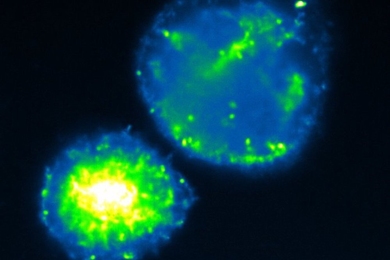
Researchers reveal how an algae-eating bacterium solves an environmental engineering challenge.
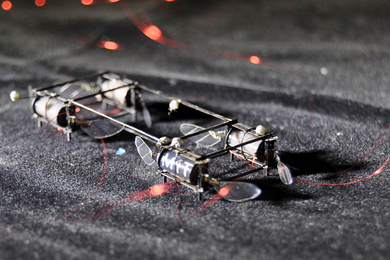
Inspired by fireflies, researchers create insect-scale robots that can emit light when they fly, which enables motion tracking and communication.
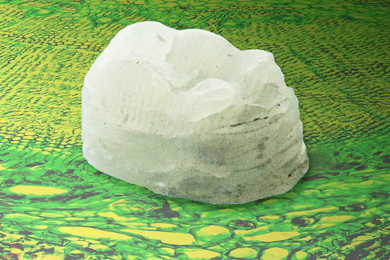
The material could pave the way for sustainable plastics.

The findings could inform the design of new materials such as iridescent windows or waterproof textiles.
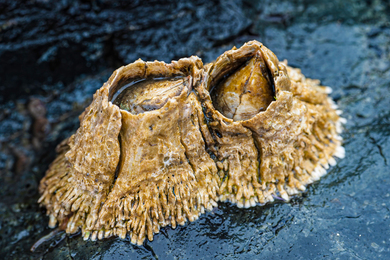
A new adhesive that mimics the sticky substance barnacles use to cling to rocks may offer a better way to treat traumatic injuries.

A passion for biomaterials inspires PhD candidate Eesha Khare to tackle climate change.
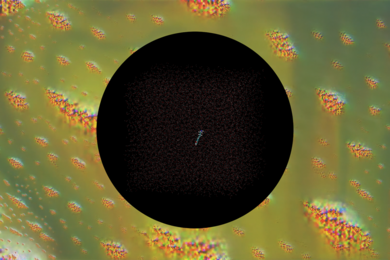
A new art/science collaboration uses molecular structures as its creative medium.
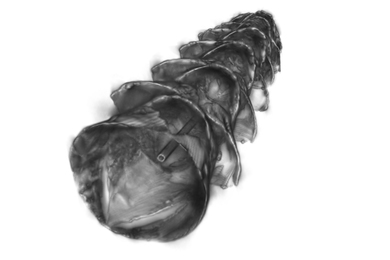
MIT engineers used kirigami-style etching to design a stent that can temporarily lodge in tubular organs to release drugs.
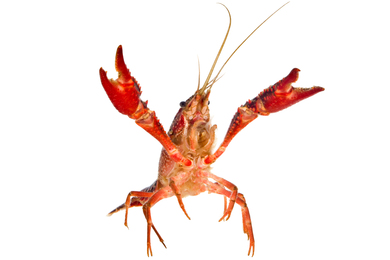
The membrane’s structure could provide a blueprint for robust artificial tissues.