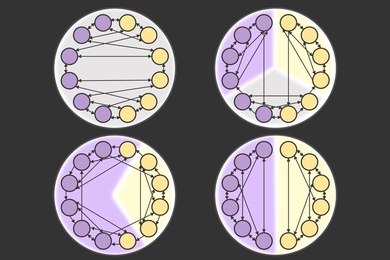
How “information gerrymandering” influences voters
Study analyzes how networks can distort voters’ perceptions and change election results.
Study analyzes how networks can distort voters’ perceptions and change election results.

Economist’s study of rickshaw drivers shows effects of alcohol consumption on financial decision-making.
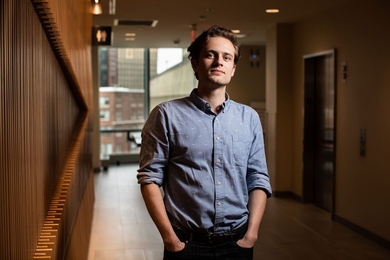
Doctoral student Pierre-Luc Vautrey investigates how incorrect beliefs shape economic decision-making.
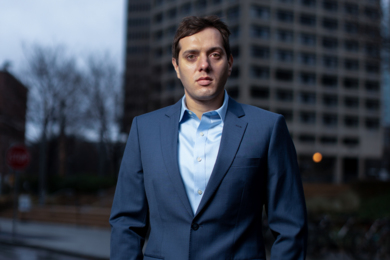
Economist Alexander Wolitzky uses game theory to model institutions, networks, and social dynamics.
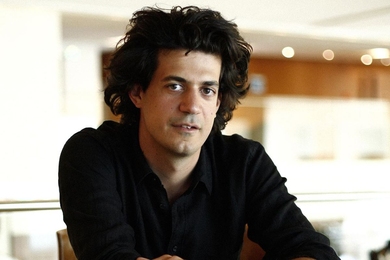
Professor of electrical engineering and computer science is honored for his contributions to theoretical computer science.
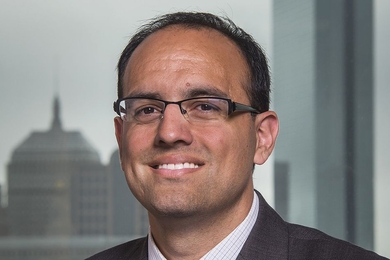
MIT economist lauded for work on education, market-design mechanisms.
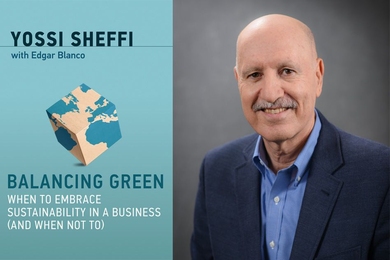
In a new book, MIT professor Yossi Sheffi examines the trade-offs companies face when grappling with sustainability issues.
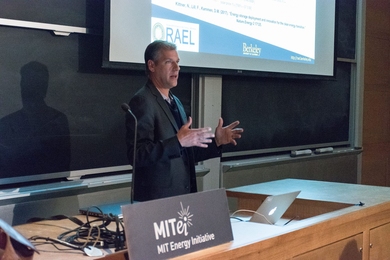
Daniel Kammen of the University of California at Berkeley discusses current efforts in clean energy innovation and implementation, and what's coming next.

Startup’s platform crunches anonymized smartphone GPS data to understand how people shop, work, and live.

Study: Long-term states of mind can affect short-term financial decisions.

Study finds good feelings from one negotiation can damage subsequent performance.

New research describes a price-optimization method to increase online retailers’ revenue, market share, and profit.

Alumna Wendy Wen '09 co-founded an online handbag company to create a new generation of luxury for savvy younger shoppers.
Consumers may tune in to prices when they need to — but recall data poorly, study finds.
![“We try to understand how the rules [for firms] should be written in a way that provides members incentives to do research and work hard, and doesn’t yield disproportionate power to an individual,” says economist Alessandro Bonatti.](/sites/default/files/styles/term_page__news_article/public/images/201707/MIT-alessandro_bonatti.jpg?itok=tI_DQ9AC)
Economist Alessandro Bonatti’s theoretical studies illuminate the behavior of firms and prices.