The effects of an “algorithmic monoculture” depend on the details
In a study focusing on hiring decisions, MIT researchers found the use of a single algorithm by many firms could benefit job seekers in certain situations.
In a study focusing on hiring decisions, MIT researchers found the use of a single algorithm by many firms could benefit job seekers in certain situations.

Professor Sherry Turkle’s new book, “Artificial Intimacy,” offers a withering critique of chatbots and the antisocial dynamics she believes they encourage.
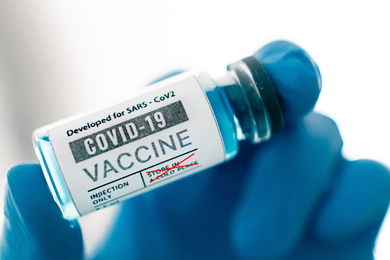
MIT engineers have found a way to stabilize the lipid nanoparticles used to deliver RNA vaccines, which could allow the vaccines to be more widely distributed.

The PKG Center for Social Impact expands Code.Tulsa experiential learning program.

A new language-processing tool could help identify the highest-risk individuals from natural language, enabling swifter interventions.
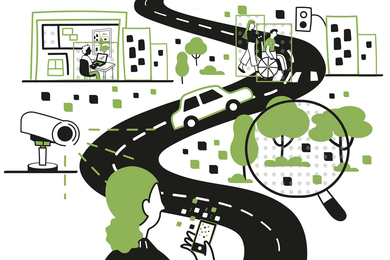
In their new book, “How AI Sees the City,” the leaders of MIT’s Senseable City Lab examine the technology’s implications for researching urban life.
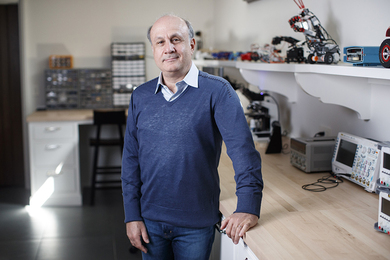
Computer scientist, entrepreneur, and philanthropist will collaborate with the MIT Schwarzman College of Computing to advance AI and scientific discovery.
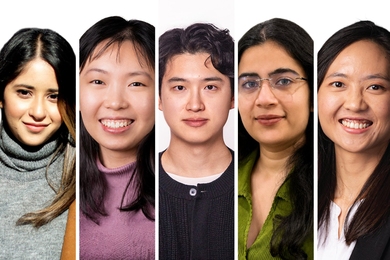
Patricia and James Poitras ’63 provide fellowships for graduate students and postdocs who will shape the future of mental health research.

A new focus on fiction and memoir aims to help the MIT community celebrate the power of storytelling and strengthen social connection.
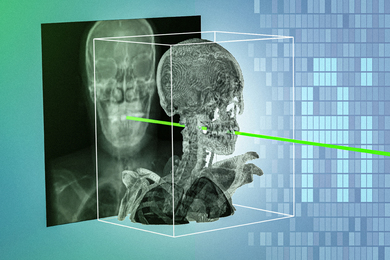
This patient-specific method, called xvr, helps doctors use X-rays for surgical navigation in fields such as orthopedics and neurosurgery.
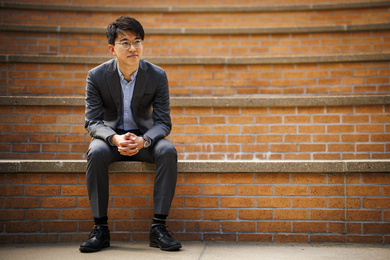
Naoki Egami has become a standout in political methodology, helping refine tools that give scholars durable results.

The “HardFlow” algorithm could help generative AI models produce high-quality outputs that obey strict requirements when “pretty close” doesn’t cut it.

Atlas Building Composites is commercializing MIT research to turn plastic waste into parts for buildings and other infrastructure.
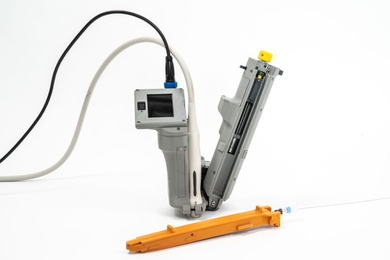
The handheld catheterization device AI-GUIDE, created by Lincoln Laboratory and Massachusetts General Hospital, promises improved health outcomes for injured service members and civilians.
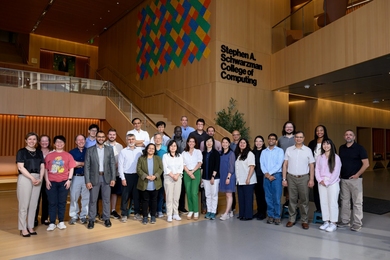
A weeklong summer workshop brought higher education faculty to campus to explore how AI and machine learning materials can be adapted for their classrooms.