
Decarbonize and diversify
How energy-intensive economies can survive and thrive as the globe ramps up climate action.
How energy-intensive economies can survive and thrive as the globe ramps up climate action.

Modeling study shows battery reuse systems could be profitable for both electric vehicle companies and grid-scale solar operations.

Graduate student Erica Salazar tackles a magnetic engineering challenge.
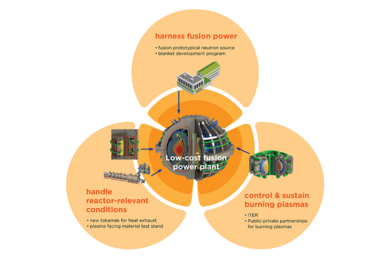
Fusion energy community makes unified statement on priorities in report for Department of Energy Policy Advisory Group.
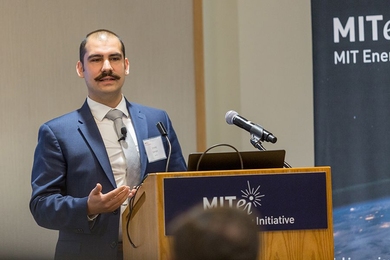
With support from renewable energy sources, the MIT research scientist says, we can consider hydrogen fuel as a tool for decarbonization.

Starting with higher-value niche markets and then expanding could help perovskite-based solar panels become competitive with silicon.

Solar panel costs have dropped lately, but slimming down silicon wafers could lead to even lower costs and faster industry expansion.

MIT researchers review renewable energy and carbon pricing policies as states consider repealing or relaxing renewable portfolio standards.

Wielding complex algorithms, nuclear science and engineering doctoral candidate Nestor Sepulveda spins out scenarios for combating climate change.

A new study looks at how the global energy mix could change over the next 20 years.
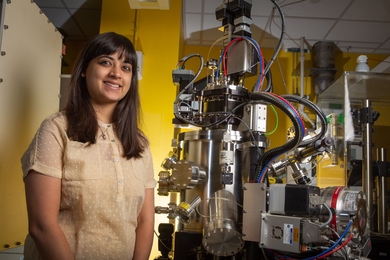
Mechanical engineers rush to develop energy conversion and storage technologies from renewable sources such as wind, wave, solar, and thermal.
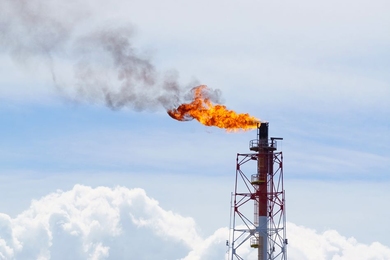
MIT study finds that challenges in measuring and mitigating leakage of methane, a powerful greenhouse gas, prove pivotal.

Technological innovations, policies, and behavioral changes will all be needed to reach Paris climate agreement targets.