
New AI “copilot” helps engineers design better structures
The system asks humans for feedback to increase trust in machine-generated designs for buildings and bridges.
The system asks humans for feedback to increase trust in machine-generated designs for buildings and bridges.
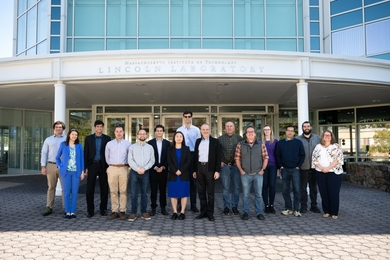
A secure operating system, a quantum microsystem platform, and a 5G interference-canceling algorithm are named among the year's most significant innovations.
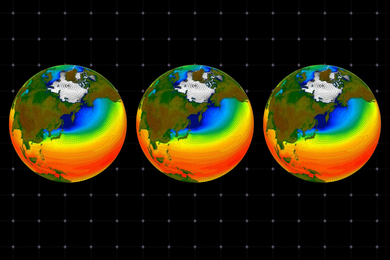
MIT scientists developed a training method to generate models that simulate the effects of human activities on climate much more quickly than other approaches.
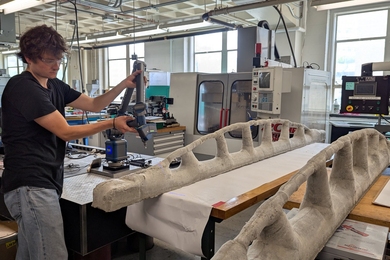
MIT engineers cast a concrete beam using a sewn fabric mold with one-third the amount of concrete and half as much steel as a conventional beam.

A new system identifies and corrects unreliable object descriptions stored in a robot’s memory, improving the robot’s ability to interact with its environment.
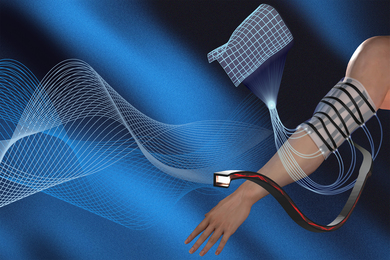
Developed by MIT engineers, this flexible material could be used as a wearable, motion-monitoring “skin” in physical therapy, virtual reality, and gaming.
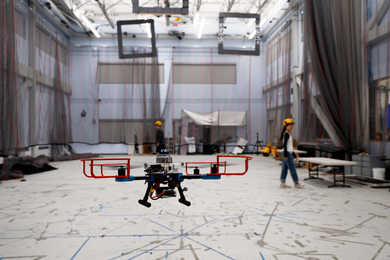
This new method, called “SANDO,” could help disaster-response robots navigate dangerous, unknown environments.

Associate Professor Cathy Wu uses reinforcement learning to help map out improvements to transportation and other multifaceted systems.
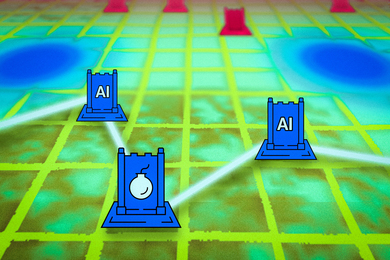
Able to defeat top-ranked human players and more efficient than other models, the new system could help decision-makers in military maneuvers or business negotiations.

In a study focusing on hiring decisions, MIT researchers found the use of a single algorithm by many firms could benefit job seekers in certain situations.

The “HardFlow” algorithm could help generative AI models produce high-quality outputs that obey strict requirements when “pretty close” doesn’t cut it.
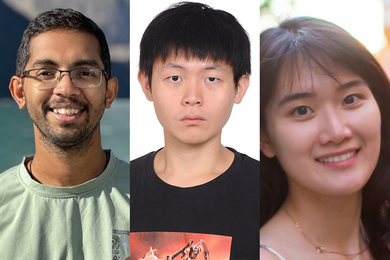
MIT affiliates engage with the MIT-IBM Computing Research Lab to bring rigorous theory to production systems.

The Institute welcomes its first cohort of QMIT Fellows this fall to advance interdisciplinary quantum research.

A new algorithm learns to anticipate the unprecedented scenarios that critical infrastructure and global supply chains are least prepared for.
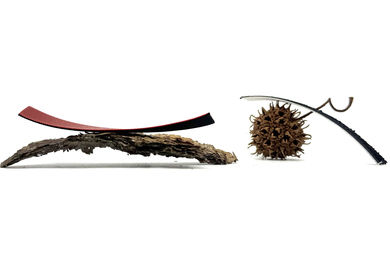
The new framework could streamline the design process of robotic grippers or aerospace components that exhibit complex behaviors found in nature.