Biobarrier explorer and dark matter theorist win MIT’s prestigious junior faculty award
Katharina Ribbeck and Jesse Thaler named recipients of the Harold E. Edgerton Award.
Katharina Ribbeck and Jesse Thaler named recipients of the Harold E. Edgerton Award.
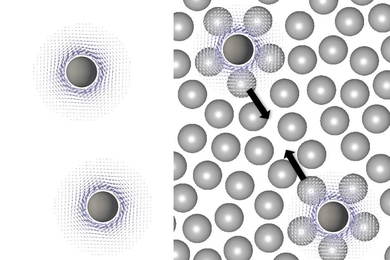
Spinning cells could attract each other across surprisingly long distances.
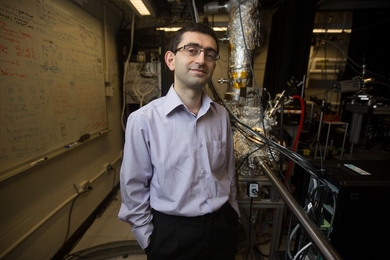
MIT physicist uses laser beams to study exotic electronic phenomena at high speeds.
MIT ranked within the top 5 globally for 19 of 42 subject areas.
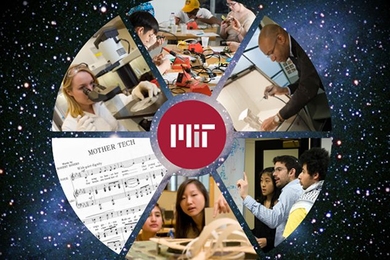
Beyond 2016: MIT’s Frontiers of the Future event offers a playful introduction to research at MIT.
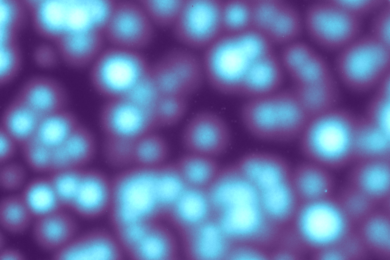
By clustering, cells can work together to survive challenging environments, MIT researchers show.
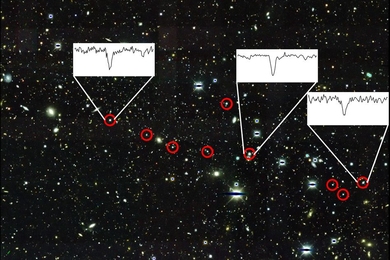
Unique galaxy offers clues to the extreme conditions that yield the heavies of the periodic table.
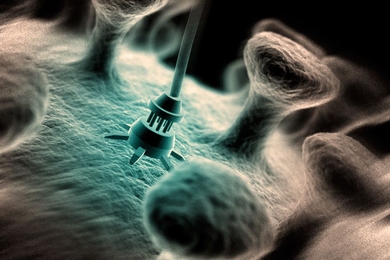
Theoretical proof could lead to more reliable nanomachines.
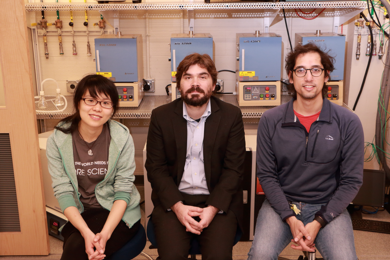
Synthesizing new physics: Assistant professor blends materials science and solid state physics to uncover new properties linked to collective behavior of electrons.
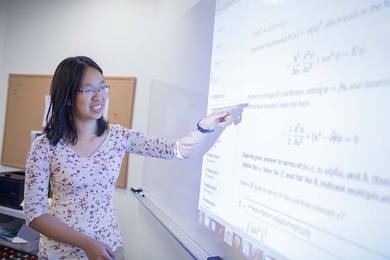
New projects emphasize using digital methods not possible in traditional classes, leveraging research-based teaching practices, and measuring student learning.

New quantum computer, based on five atoms, factors numbers in a scalable way.
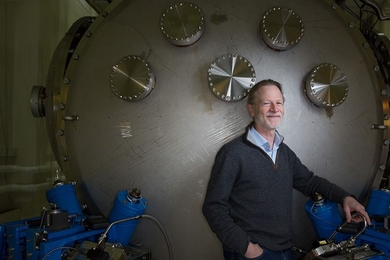
MIT’s David Shoemaker testifies before Congress on the significance of LIGO.
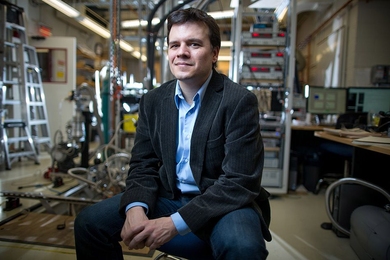
Experimental physicist explores the wild frontiers of graphene and other ultrathin materials.
Faculty from eight MIT science and engineering departments among 126 selected from across the U.S. and Canada.