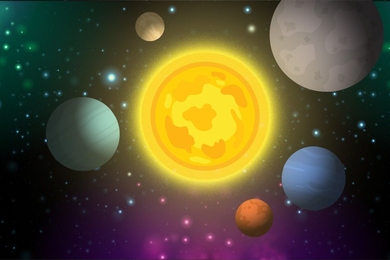
Citizen scientists discover five tightly packed exoplanets
The planetary system’s dense configuration gives clues to its formation
The planetary system’s dense configuration gives clues to its formation
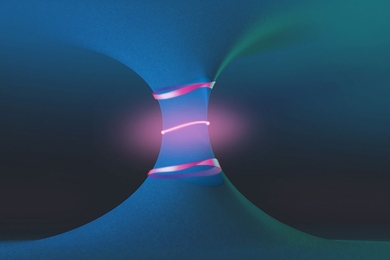
Researchers observe, for the first time, topological effects unique to an “open” system.
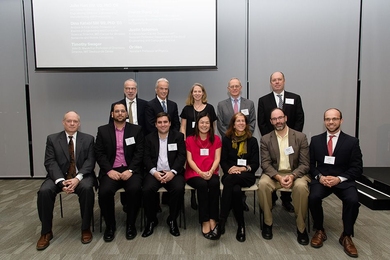
Six potentially paradigm-shifting research projects will make strides with funding from Professor Amar G. Bose Research Grants.
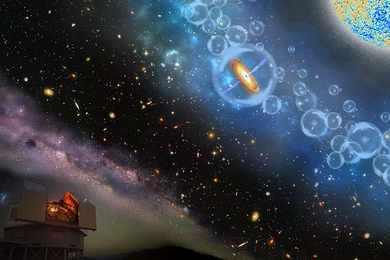
Findings present a puzzle as to how such a huge object could have grown so quickly.
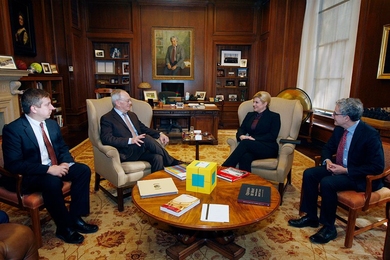
State visit includes meeting with MIT president and award for MIT physicist Marin Soljačić.
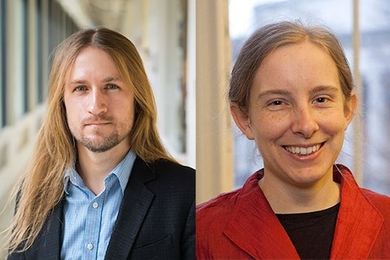
Faculty members in chemistry and physics honored for excellence in graduate and undergraduate teaching.
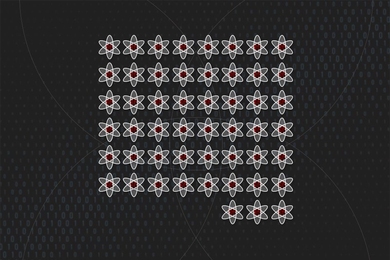
New technique manipulates atoms into antiferromagnetic state.
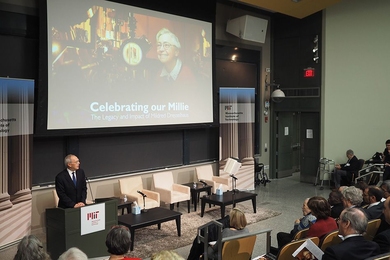
Symposium commemorates the life and career of pioneering professor and beloved mentor Mildred Dresselhaus.
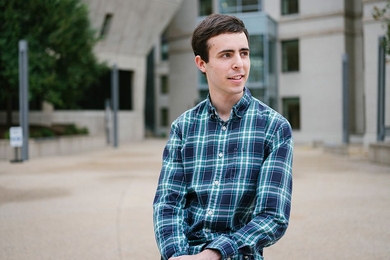
Senior Drew Bent hopes to level the educational playing field of the future.
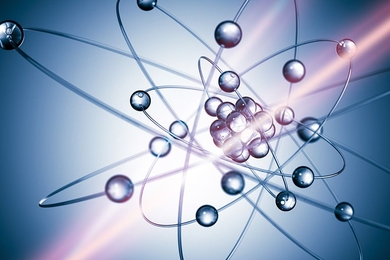
Method of laser cooling may speed up investigations into magnetism and superconductivity.
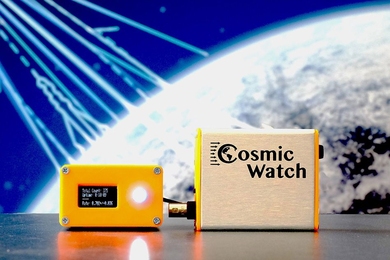
Pocket-sized device detects charged particles in surrounding air.
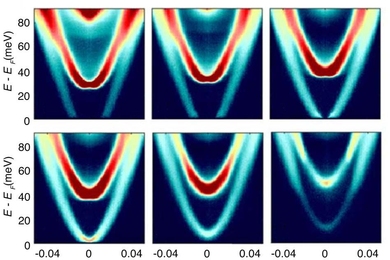
Scientists invent technique to map energy and momentum of electrons beneath a material’s surface.
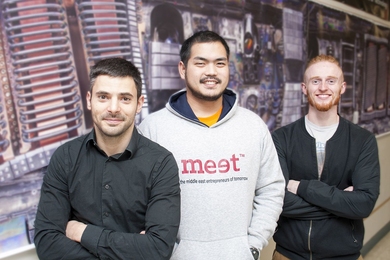
Three from the Plasma Science and Fusion Center spend time with the Middle East Entrepreneurs of Tomorrow.
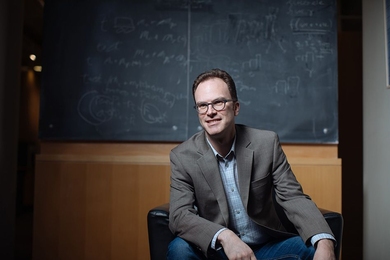
Theorist explores particle physics at the boundary of “messy and elegant.”
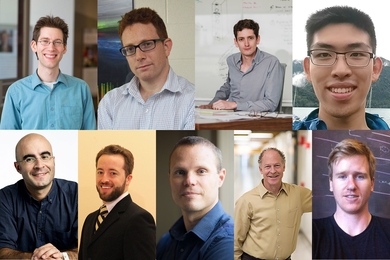
Prize winners span six departments in the schools of Science and Engineering.