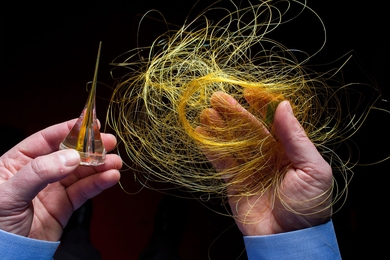
Advanced Functional Fabrics of America opens headquarters steps from MIT campus
New AFFOA facility represents a significant MIT investment in advanced manufacturing innovation.
New AFFOA facility represents a significant MIT investment in advanced manufacturing innovation.
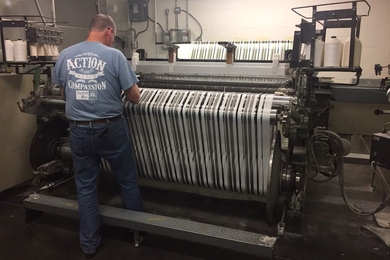
New center for development of high-tech fibers and fabrics opens headquarters, unveils two products ready for commercialization.

Following their MIT studies, graduates in MIT’s Reserve Officer Training Corps set off on new challenges in the U.S. military.
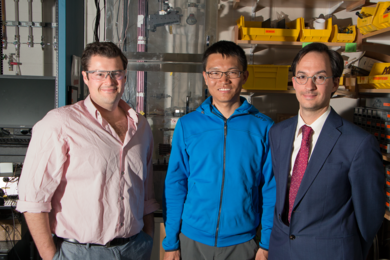
MIT researchers create a high-temperature device that produces electricity from industrial waste heat.
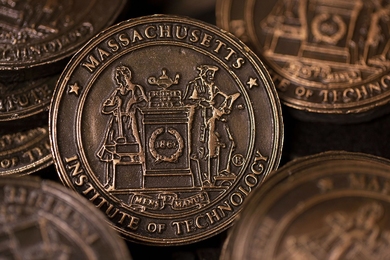
Students create bronze medallions of the MIT seal for new graduates of the Department of Materials Science and Engineering.
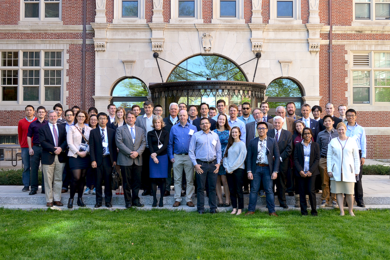
MIT researchers team up with leaders from the metals and minerals industry to envision a more sustainable future.
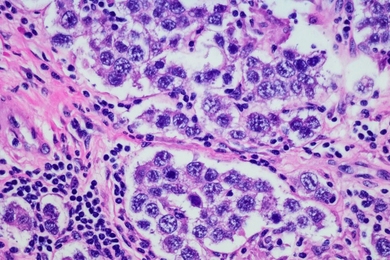
Findings support new strategy of continuous drug delivery by implantable device.
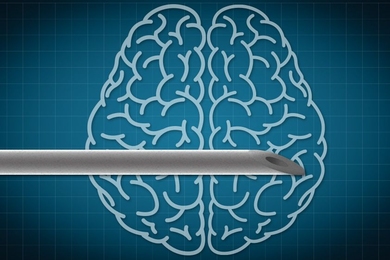
Thin fibers could be used to deliver drugs or electrical stimulation, with less damage to the brain.


Principal investigators will receive grants of up to $200,000 per year for two years, overhead free, for innovative research on food and water challenges.
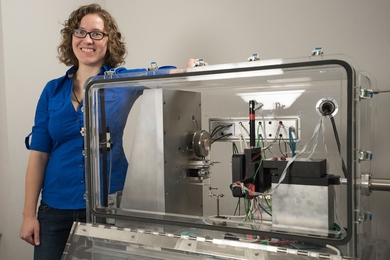
Mechanical actuators developed by MIT team expand and contract as they let oxygen in and out.

Senior Tiffany Yeh explores health care and poverty through working abroad, and cultivates her love of music while at home.
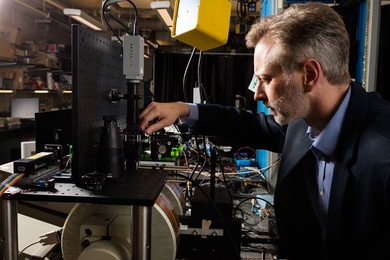
Materials researcher is working on the magnetic memory of the future.
Exelon Generation funding for the MIT Center for Advanced Nuclear Energy Systems could transform the performance of the fuel cladding in light water reactors.
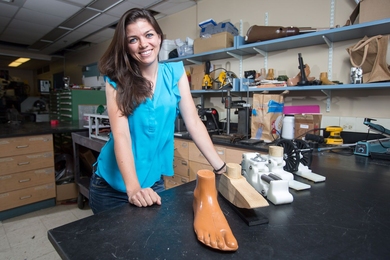
Students recognized for inventive solutions to challenges in health care, transportation, food and agriculture, and consumer devices.