
Department
Electrical Engineering and Computer Science
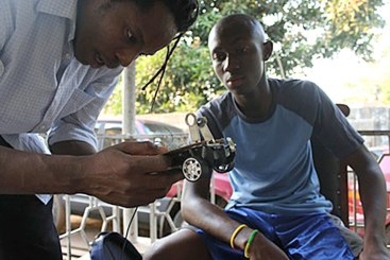
OCW brings educational opportunities to Sierra Leone
Student builds robot from old toy parts using course materials from 6.270.
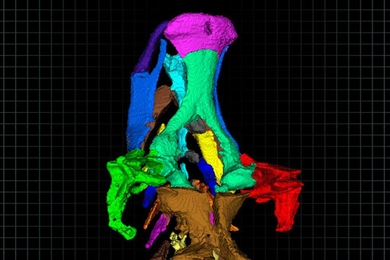
Research update: Imaging fish in 3-D
Automated system for high-speed analysis of vertebrate larvae could aid drug development.
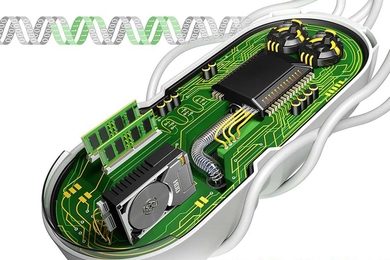
Cell circuits remember their history
MIT engineers design new synthetic biology circuits that combine memory and logic.
CSAIL launches entrepreneurship initiative
Aims to help students turn computer science ideas into successful technology startups
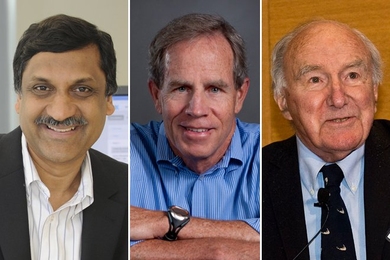
MIT engineers elected to national academy
Three engineers are among this year’s 69 new National Academy of Engineering members.
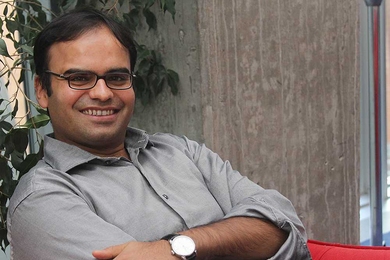
Networks of probability
Devavrat Shah spans disciplines by looking at networks probabilistically and probabilities as networks.
MIT researchers honored for 'Revealing Invisible Changes'
CSAIL team recognized by National Science Foundation for video that catches motions too subtle for the naked eye.
Toward practical compressed sensing
Researchers show how the vagaries of real-world circuitry affect the performance of a promising new technique in signal processing and imaging.

Big medical data
At the intersection of medicine and computer science, researchers look for clinically useful correlations amid mountains of information.
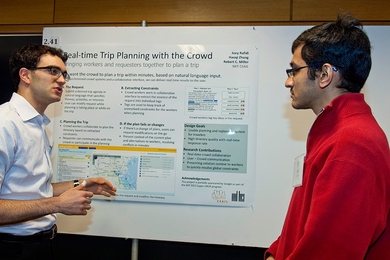
SuperUROP propels undergraduate research to next level
Poster session showcases student advances in key technologies and attracts faculty, venture capitalists and industry sponsors.

Five with ties to MIT earn top IEEE awards
Beranek, Dennis, Chou, Jacobs and Langer are among 20 recipients recognized for decades of engineering achievements.

Research update: Multiple steps toward the ‘quantum singularity’
Over three days in December, four research groups announced progress on a quantum-computing proposal made two years ago by MIT researchers.
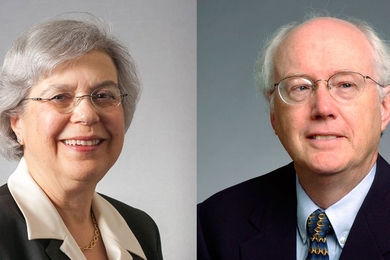
Clark and Sollins receive Test of Time Award
MIT researchers honored for their paper 'Tussle in Cyberspace: Defining Tomorrow’s Internet.'

Chips that can steer light
Record-setting ‘optical phased arrays’ could lead to better laser rangefinders, smaller medical-imaging devices and even holographic TVs.