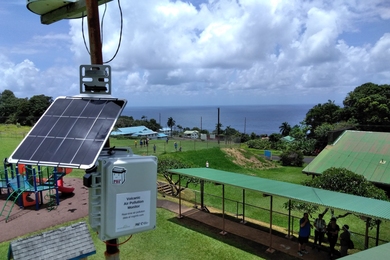
New approach could change how we track extreme air pollution events
Study demonstrates the power of low-cost air quality sensors during volcanic eruption.
Study demonstrates the power of low-cost air quality sensors during volcanic eruption.
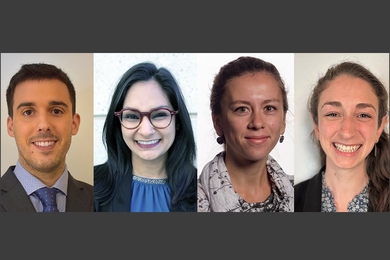
Selective global honor supports early-career scientists and engineers in taking on new pursuits.
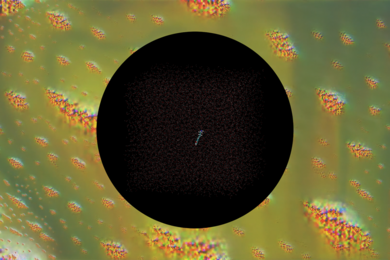
A new art/science collaboration uses molecular structures as its creative medium.
Faculty members recognized for excellence via a diverse array of honors, grants, and prizes.
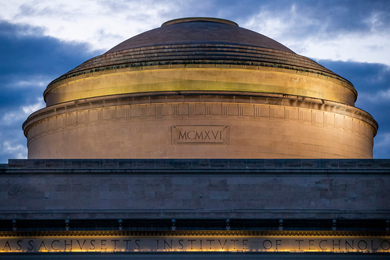
Ranked at the top for the 10th straight year, the Institute also places first in 12 subject areas.
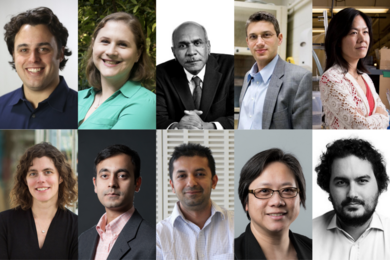
Ten principal investigators from seven MIT departments and labs will receive up to $150,000 for two years, overhead-free, for innovative research on global food and water challenges.
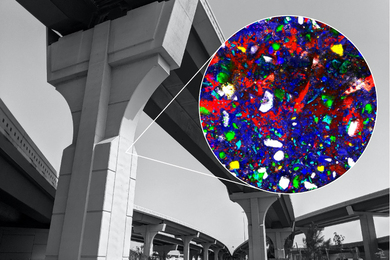
Imaging technique could enable new pathways for reducing concrete’s hefty carbon footprint, as well as for 3-D printing of concrete.
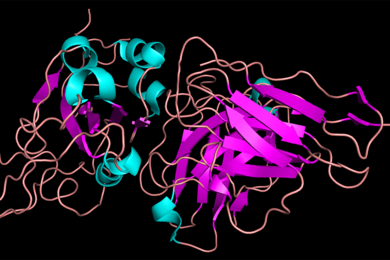
Professor Markus Buehler composed it, and a South Korean orchestra performed it; it’s the latest in a series of artistic collaborations sparked by Buehler’s exploration of the structure of SARS-CoV-2.

MIT students lead first-ever Global Teaching Labs workshop in Sudan.
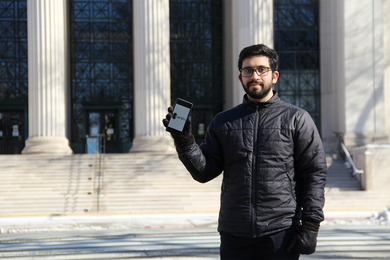
MIT researchers are using smartphones to gather roadway information previously inaccessible to many departments of transportation.
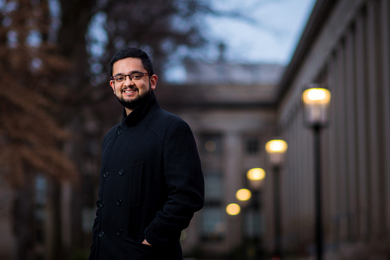
PhD student Sidhant Pai works on atmospheric chemistry models that may help policymakers improve air quality in their region.
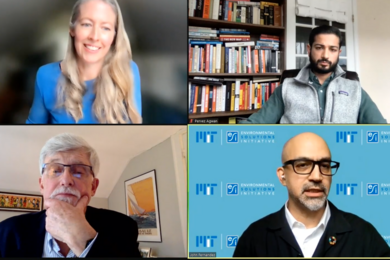
Engagement with political, community leaders must be a key part of forthcoming climate action plan, MIT climate leaders say.
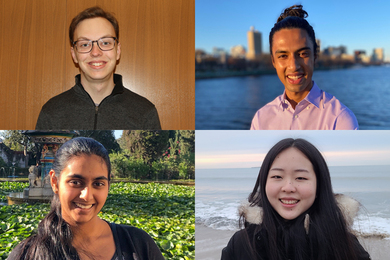
Four MIT undergraduates whose research areas explore artificial intelligence, space, and climate change honored for their academic achievements.
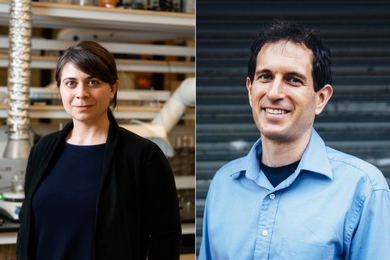
CEE and DUSP faculty members recognized for excellence in leadership, service, and impactful work tackling environmental and social justice issues.
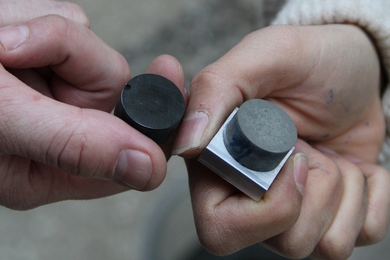
A collaboration between MIT and CNRS has yielded a cement that conducts electricity and generates heat.