Department
Brain and Cognitive Sciences
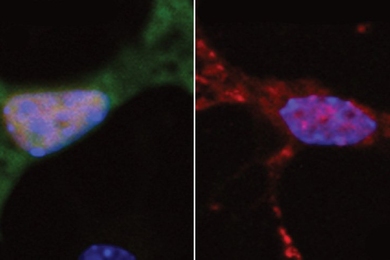
DNA damage may cause ALS
New study finds link between neurons’ inability to repair DNA and neurodegeneration.
MIT launches the Center for Neurobiological Engineering
Establishing a neuroengineering community that can set new research directions and address emerging issues in brain science.
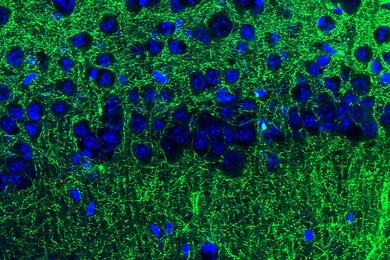
Brain circuit can tune anxiety
New findings may help neuroscientists pinpoint better targets for antianxiety treatments.
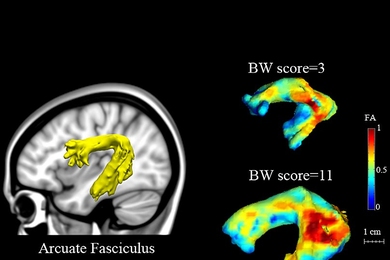
Brain scans may help diagnose dyslexia
Differences in a key language structure can be seen even before children start learning to read.
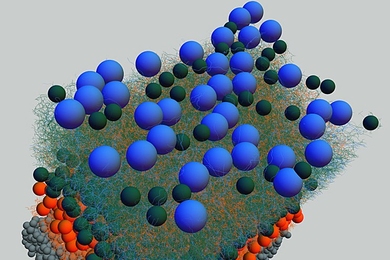
Making connections in the eye
Wiring diagram of retinal neurons is first step toward mapping the human brain.
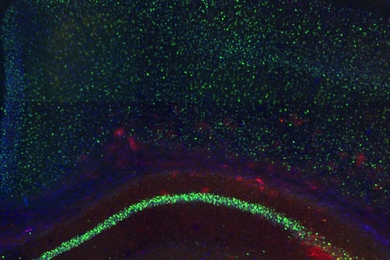
Neuroscientists plant false memories in the brain
MIT study also pinpoints where the brain stores memory traces, both false and authentic.
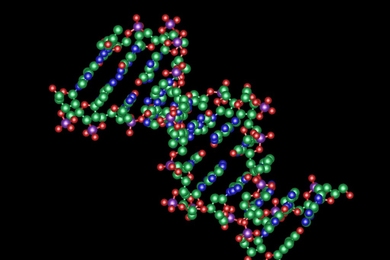
Controlling genes with light
New technique can rapidly turn genes on and off, helping scientists better understand their function.
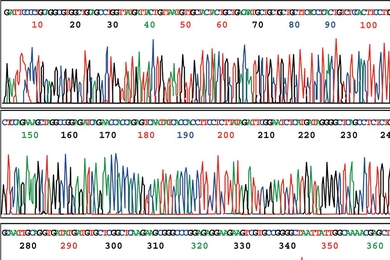
Research update: Genome editing becomes more accurate
Improved technique makes it easier to add or delete genes in living cells, with less risk of off-target DNA damage.


Breaking habits before they start
Turning off cells in a habit-associated brain region prevents rats from learning to run a maze on autopilot.
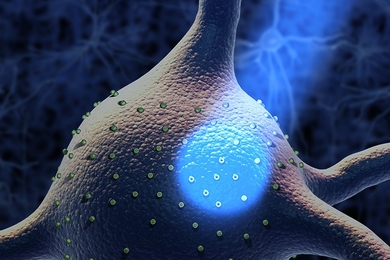
Compulsive no more
MIT study sheds light on what causes compulsive behavior, could improve OCD treatments.
Reducing caloric intake delays nerve cell loss
Study points to role of protein in anti-aging benefits of calorie restriction
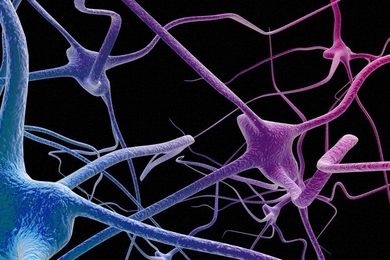
Complex brain function depends on flexibility
Neurons that can multitask greatly enhance the brain’s computational power, study finds.

D-Lab Scale-Ups awards funds to three MIT social entrepreneurs
Shawn Wen ‘13, Kevin Cedrone SM ’10 PhD ‘13 and Sumana Shrestha MBA ‘13 to join the Phase I Fellowship Program