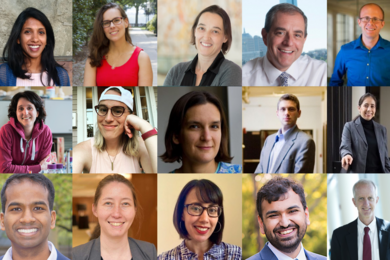
Fifteen MIT faculty honored as “Committed to Caring” for 2021-23
Honor recognizes professors who went the extra mile advising during the pandemic’s disruptions.
Honor recognizes professors who went the extra mile advising during the pandemic’s disruptions.
Advancing the study and practice of thinking responsibly in computing education, research, and implementation.
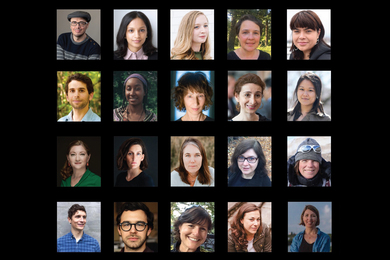
Twenty-one distinguished journalists will probe issues ranging from environmental justice and maternal health to threatened grasslands and endangered megafauna.
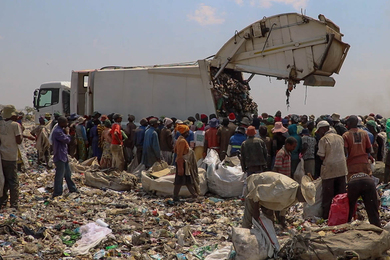
Students in STS.032 (Energy, Environment, and Society) learn about environmental and health consequences of discarded electronics.
The Sharon Begley-STAT Science Reporting Fellowship aims to support early-career science journalists of color.
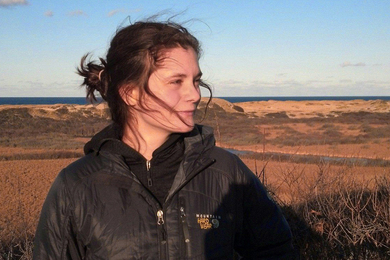
HASTS PhD student Caroline White-Nockleby aims to advance climate justice by minimizing localized burdens of renewable energy implementation.

The PhD student focuses on three cities and the role of the arts in helping planning institutions to imagine and plan for possible futures.

New publishing model provides unique and timely solutions to the production, curation, and preservation of knowledge.

Seven MIT researchers see lessons and opportunities for US health care.
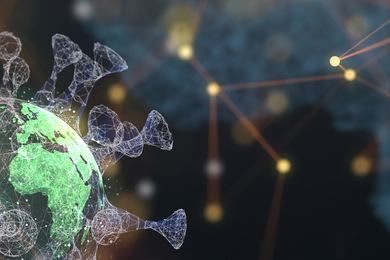
Hundreds worldwide join MIT students in experiencing 21H.000 (History of Now: Plagues and Pandemics) as a public series of webinars.
New case studies series examines social, ethical, and policy challenges of present-day computing activities.
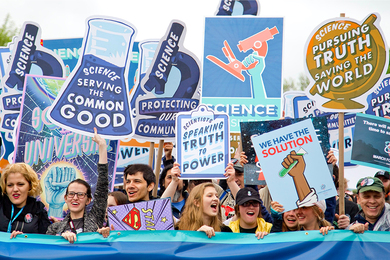
In a new MIT class, students explore how STEM researchers bring their knowledge to major societal issues.
Both free resources are part of an update of the program's website.
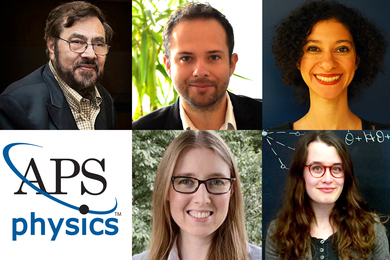
William Barletta, Ronald Fernando Garcia Ruiz, Chanda Prescod-Weinstein, Katelin Schutz, and Phiala Shanahan honored for contributions to physics.
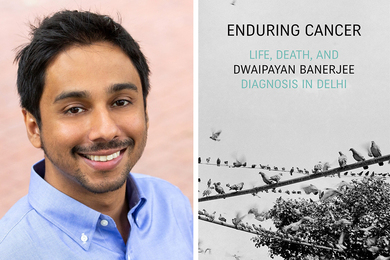
Dwaipayan Banerjee’s new book examines the psychological and social terrain of living with cancer in a country where the disease has long been downplayed.