How to grow wires and tiny plates
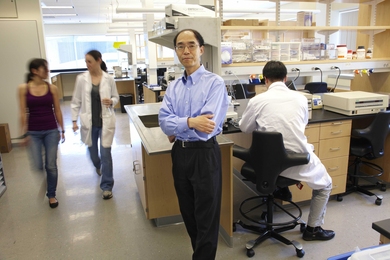
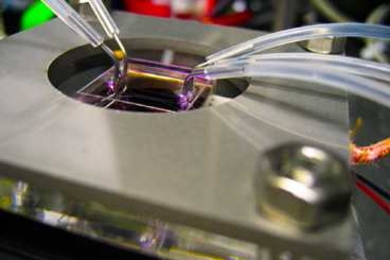
Liquid processing method developed at MIT can control the shapes of nanowires and produce complete electronic devices.
Liquid processing method developed at MIT can control the shapes of nanowires and produce complete electronic devices.

Final installment of MIT’s 150th anniversary symposia explores intelligence — both human and artificial.

MIT and Harvard neuroscientists explain why the practice helps tune out distractions and relieve pain.
Optogenetic technology restores visual behavior in mice, holds promise for treating human blindness.

Mice with a particular gene mutation avoid interacting with other mice and show compulsive, repetitive behavior.

Neuroscientists show that brain scans can predict whether children’s reading ability will improve.
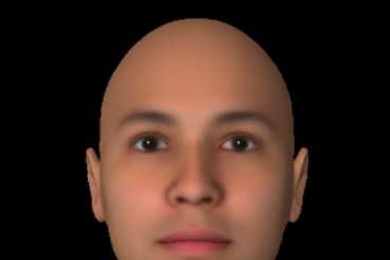
Neuroscientists find that the same face may look male or female, depending on where it appears in a person’s field of view.

New study shows that costs and rewards of behavior help the brain form optimal habits.

The grants are designed to promote risky, innovative research with the potential to transform a field of study.
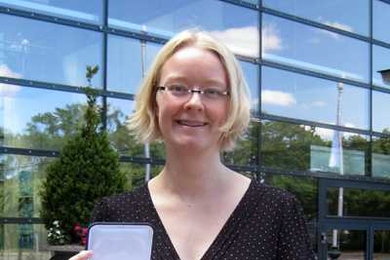
Honored for thesis on neural correlates of visual illusions