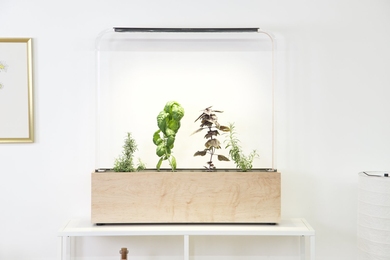
Building a better indoor herb garden
Randall Briggs ’09, SM ’18 created the GardenByte indoor herb garden to grow crops three times faster than they would outdoors.
Randall Briggs ’09, SM ’18 created the GardenByte indoor herb garden to grow crops three times faster than they would outdoors.
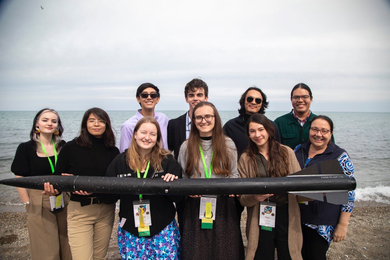
MIT Doya blasted their first rocket to a height of 1,290 meters, placing second at the 2023 First Nations Launch contest. The team is now gearing up for a 2024 launch.

For Interphase EDGE/x participants, a life-sized Barbie-themed TARDIS prompts reflections on social norms.
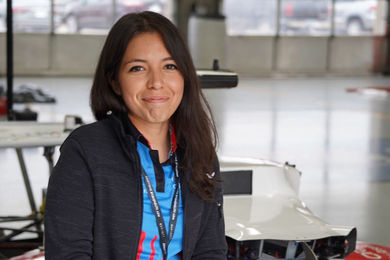
Cindy Alejandra Heredia’s journey from Laredo, Texas, took her to leading the MIT autonomous vehicle team and to an MBA from MIT Sloan.

At a recent MIT Edgerton Center event, Professor J. Kim Vandiver shared the story of his mentor, a beloved educator at the Institute.
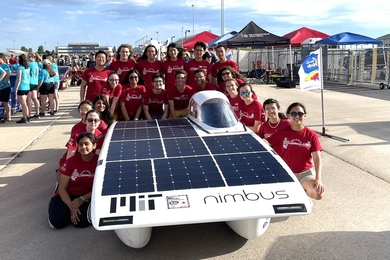
The team credits strategy and team building for keeping the lead in a tight race.
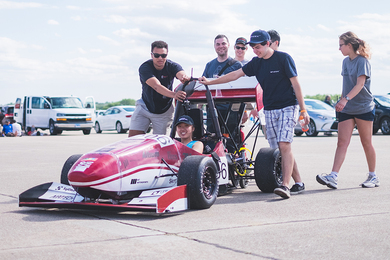
Women strengthen MIT Edgerton Center rocketry, motorsports, and solar vehicle teams with diverse perspectives.
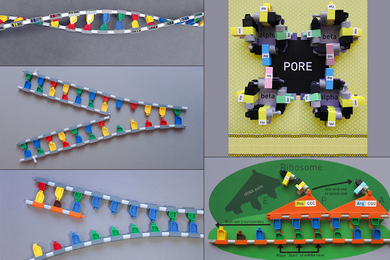
At the MIT Edgerton Center, educators are quietly transforming the way biology is taught in schools.
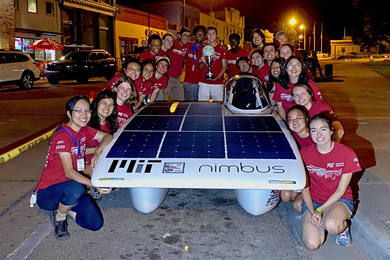
Student-designed Nimbus solar car travels 1,109 miles in five days, averaging 38.4 miles per hour.
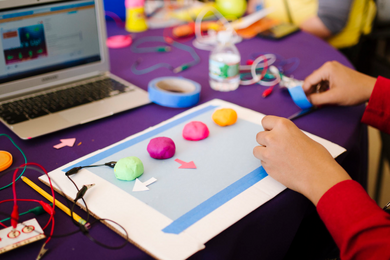
Website created in response to Covid-19 yields unexpected insights into what’s possible for reaching learners at a distance.
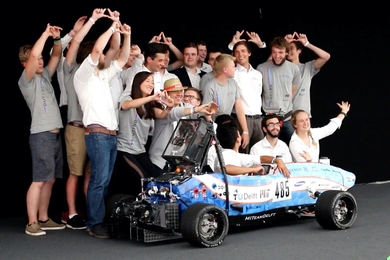
After a third-place finish at last year's Formula Student Germany, MIT Driverless team aims to compete in the $1.5 million Indy Autonomous Challenge.

The science program for local high school students is remote this year, as MIT instructors create at-home lab experiences.
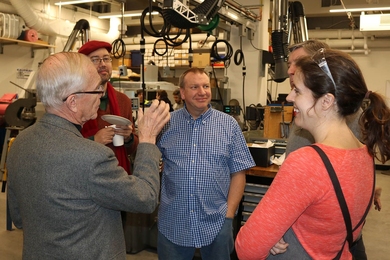
Its former location, Building 44 on Vassar Street, will soon become the new MIT Schwarzman College of Computing.
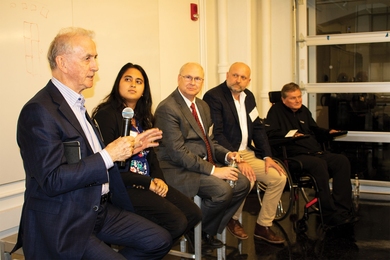
Envisioning the future (and challenges) of designing affordable technology-enabled mobility devices.
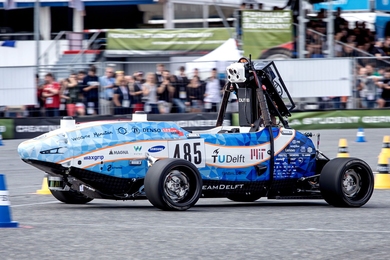
Teams were scored on speed, construction, performance, and financial planning at one of the world’s largest student engineering competitions.