Broad Institute of MIT and Harvard
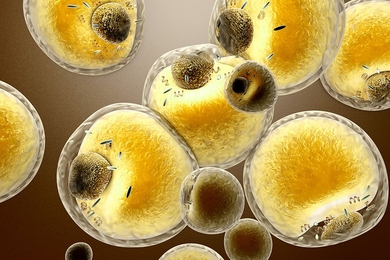
A metabolic master switch underlying human obesity
Researchers find pathway that controls metabolism by prompting fat cells to store or burn fat.
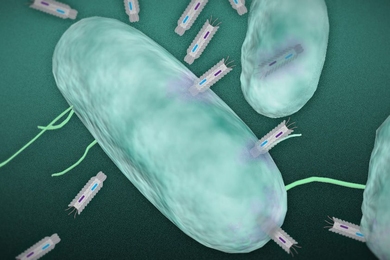
Researchers develop a new means of killing harmful bacteria
Engineered particles are capable of producing toxins that are deadly to targeted bacteria.

Epigenomics of Alzheimer’s disease progression
Study of epigenomic modifications reveals immune basis of Alzheimer's disease.

Forbes hails MIT standouts in science, education, energy, technology, and health care
11 MIT affiliates and more than 30 alumni are identified as movers, makers, and game changers in their respective fields.
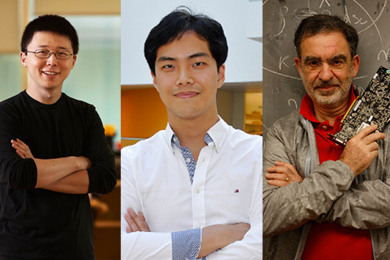
MIT researchers to receive awards from the Society for Neuroscience
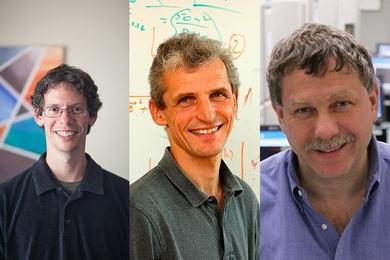
Three neuroscientists at MIT have been selected to receive awards from the Society for Neuroscience.

Francis Collins: Scientists must engage with the world
In Compton Lecture, NIH director details the importance of reaching out to others.
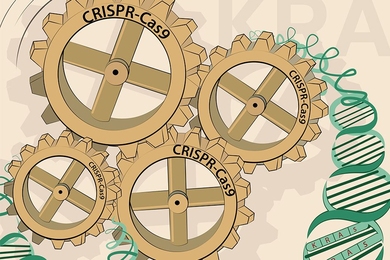
Researchers engineer new mouse model to study disease
Time-saving tool takes advantage of CRISPR gene-editing technology.

Inventor creates tiny technologies for medicine; awarded $500,000 Lemelson-MIT Prize
Sangeeta Bhatia combines clinical and engineering perspectives to tackle complex health challenges.

Kellis to lead MIT team in new phase of GTEx project to elucidate basis of disease predisposition
NIH-sponsored work to characterize genetic variation in human tissues with roles in diabetes, heart disease, and cancer.
$650 million commitment to Stanley Center at Broad Institute aims to galvanize mental illness research
Transformative partnership with Ted Stanley will spur researchers to reveal biology of psychiatric disorders.
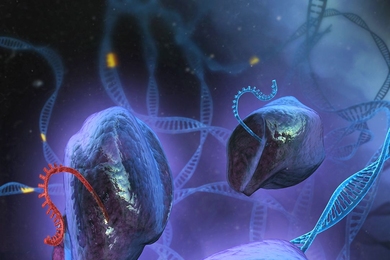
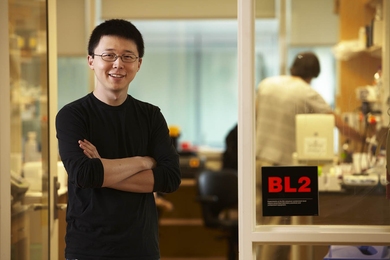
Feng Zhang wins NSF's Alan T. Waterman Award
Waterman Award is NSF's highest honor recognizing an outstanding researcher under the age of 35.

New view of tumors’ evolution
Sequencing of cancer cell genomes reveals potential new drug targets for an aggressive type of lung cancer.