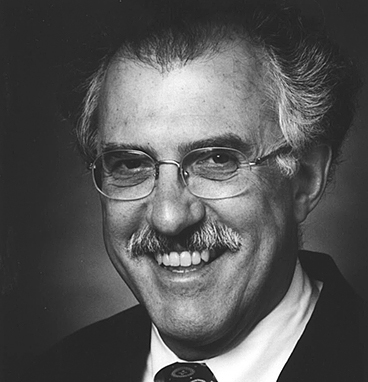
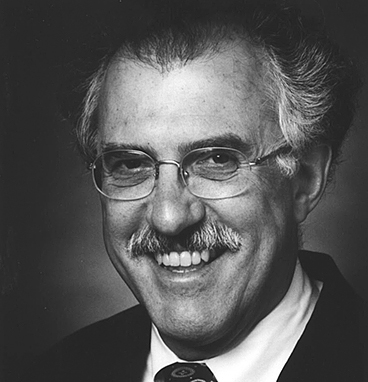
James G. Fox, the director of MIT’s Division of Comparative Medicine and a professor in the Department of Biological Engineering, has received the 2013 AAVMC Excellence in Research Award from the Association of American Veterinary Medical Colleges.
The award was established in 2011 to recognize outstanding research and scholarly achievements in the profession of veterinary medicine. It honors those who demonstrate excellence in original research, leadership in the scientific community, and mentoring of trainees and colleagues in any discipline of veterinary medicine.
Fox, who received the award on March 8 at the AAVMC’s annual conference, has studied infectious diseases of the gastrointestinal tract for the past 35 years, focusing on the pathogenesis of Campylobacter species and Helicobacter species infection in humans and animals.
He is the author of more than 560 scholarly articles, 80 chapters, and four patents, and has served on the editorial board of several journals. He has edited and authored 13 texts in the field of in-vivo model development and comparative medicine and has given more than 250 invited lectures, consulting nationally and internationally with government, academia and industry.
Fox was elected to the Institute of Medicine in 2004. He is a diplomate and a past president of the American College of Laboratory Animal Medicine, past president of the Massachusetts Society of Medical Research, past chairman of the Association for Assessment and Accreditation of Laboratory Animal Care International Council, past chairman of the National Center for Research Resources Comparative Medicine Study Section, past president of the Association of American Veterinary Medical Colleges, and current chairman of the National Association of Biomedical Research.
“Dr. Fox is a consummate researcher,” says Deborah Kochevar, AAVMC president and dean of the Cummings School of Veterinary Medicine at Tufts University. “While devoting attention to so many areas of his profession, he has continued to make remarkable contributions in his laboratory.”
The award was established in 2011 to recognize outstanding research and scholarly achievements in the profession of veterinary medicine. It honors those who demonstrate excellence in original research, leadership in the scientific community, and mentoring of trainees and colleagues in any discipline of veterinary medicine.
Fox, who received the award on March 8 at the AAVMC’s annual conference, has studied infectious diseases of the gastrointestinal tract for the past 35 years, focusing on the pathogenesis of Campylobacter species and Helicobacter species infection in humans and animals.
He is the author of more than 560 scholarly articles, 80 chapters, and four patents, and has served on the editorial board of several journals. He has edited and authored 13 texts in the field of in-vivo model development and comparative medicine and has given more than 250 invited lectures, consulting nationally and internationally with government, academia and industry.
Fox was elected to the Institute of Medicine in 2004. He is a diplomate and a past president of the American College of Laboratory Animal Medicine, past president of the Massachusetts Society of Medical Research, past chairman of the Association for Assessment and Accreditation of Laboratory Animal Care International Council, past chairman of the National Center for Research Resources Comparative Medicine Study Section, past president of the Association of American Veterinary Medical Colleges, and current chairman of the National Association of Biomedical Research.
“Dr. Fox is a consummate researcher,” says Deborah Kochevar, AAVMC president and dean of the Cummings School of Veterinary Medicine at Tufts University. “While devoting attention to so many areas of his profession, he has continued to make remarkable contributions in his laboratory.”