Immediately after final exams, construction will begin on a new entrance, a 24-hour study room and new library service facilities for Hayden Library (14S-100), which contains the science and humanities libraries.
During the construction period, the entrance and exit to Hayden will be relocated temporarily to the first-floor entrance of the Lewis Music Library (14N-109), which is in the hallway near the building's McDermott Court entrance. Library users will check out materials from the science and humanities libraries at the Music Library circulation desk. The science reference service will move to the northeast corner of the Science Library.
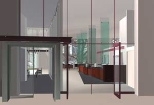
The new entrance area, designed by the architectural firm Tappe Associates Inc., will include a 24-hour study room; group study rooms; and new circulation, reserves, interlibrary borrowing and Science Library reference facilities. The humanities reference area will remain on the second floor.
"The creation of the 24-hour study room, including several spaces for groups to meet, is in response to a campus need for an attractive and safe place to study and meet after hours," said Jim Mullins, associate director for administration of MIT Libraries.
Signage and a special web site during the construction period will assist library users in gaining access to Hayden Library's collections and services over the summer. The opening of the new entrance and new facilities is planned for September.
A version of this article appeared in MIT Tech Talk on April 24, 2002.