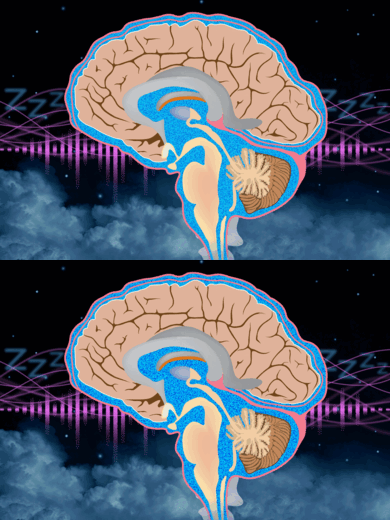
A burst of “pink noise” may lead to more restorative sleep
Delivered at just the right time, this type of auditory stimulus can strengthen the flow of cerebrospinal fluid, which clears debris from the brain and keeps it healthy.
Delivered at just the right time, this type of auditory stimulus can strengthen the flow of cerebrospinal fluid, which clears debris from the brain and keeps it healthy.
Founded by Jake Donoghue PhD ’19 and former MIT researcher Jarrett Revels, the company is creating an AI-driven platform to help diagnose and treat disease.
New research shows attention lapses due to sleep deprivation coincide with a flushing of fluid from the brain — a process that normally occurs during sleep.
Tools build on years of research at Lincoln Laboratory to develop a rapid brain health screening capability and may also be applicable to civilian settings such as sporting events and medical offices.
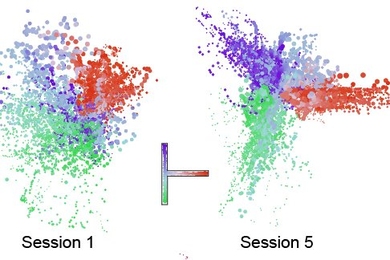
Place cells are known to encode individual locations, but research finds stitching together a “cognitive map” of a whole environment requires a broader ensemble of cells, aided by sleep, over several days.
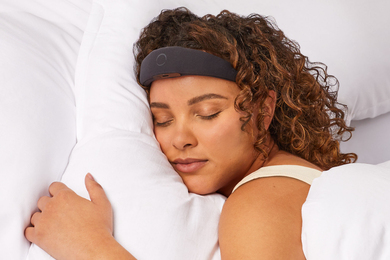
Elemind, founded by researchers from MIT, has developed a headband that uses acoustic stimulation to move people into a sleep state.
The new sensor measures heart and breathing rate from patients with sleep apnea and could also be used to monitor people at risk of opioid overdose.
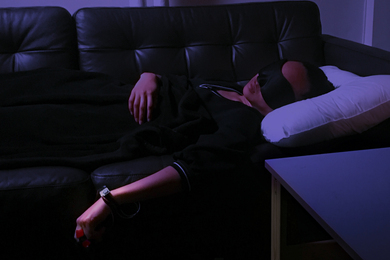
A new study finds people are more creative after waking from the earliest stage of sleep, especially when they are guided to dream about a particular topic.

New research quantifies how much very hot temperatures restrict outdoor activity in China.
Periodically catching up on sleep can improve gait control for the chronically sleep-deprived.

Experiment with working poor in India finds no impact from more night sleep, though naps help; rest quality may be key.
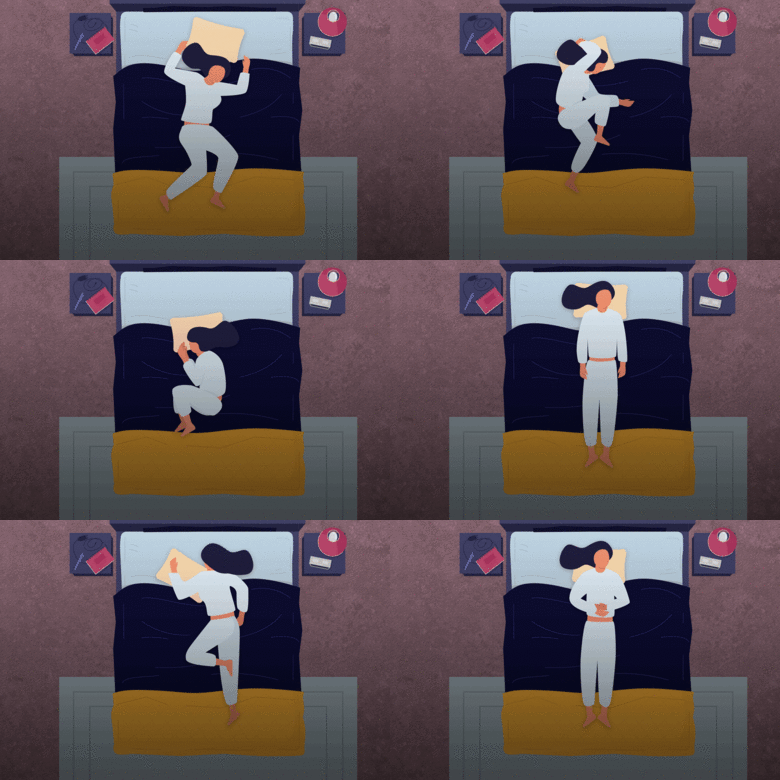
Wireless device captures sleep data without using cameras or body sensors; could aid patients with Parkinson’s disease, epilepsy, or bedsores.

Device not only helps record dream reports, but also guides dreams toward particular themes.

Data on MIT students underscore the importance of getting enough sleep; bedtime also matters.
Patients with sleep disorders could be studied nonintrusively at home using wireless signals.