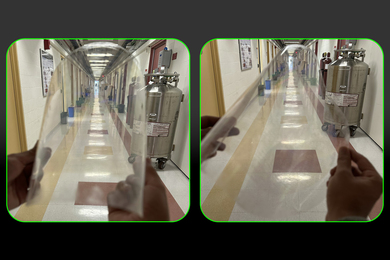
Fabrication platform could enable flexible, transparent next-generation photonic chips
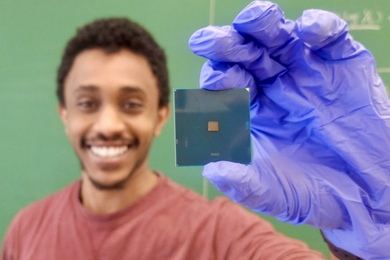
This scalable process produces high-performance chips for applications like discreet wearables or pliable augmented-reality displays.
This scalable process produces high-performance chips for applications like discreet wearables or pliable augmented-reality displays.

The “CrysVCD” tool developed at MIT could cut the huge amounts of time and money spent on screening out chemically unstable designs.

In his latest book, Professor Eugene Fitzgerald examines the forces that turn breakthroughs into value — and why innovation resists simple formulas.
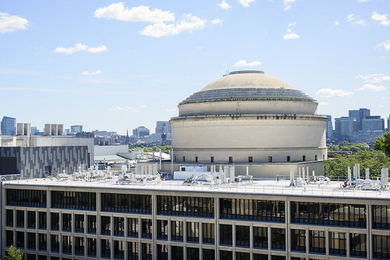
The Materials Research Science and Engineering Center unites researchers across disciplines to develop technologies for medical imaging, sustainable metals production, and next-generation electronics.
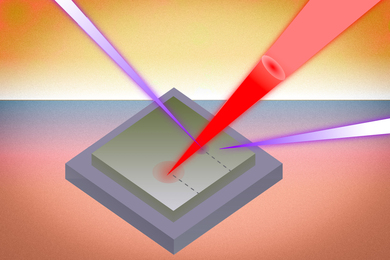
MIT researchers can now precisely measure how heat moves through multilayered materials like computer chips.

Members of the laboratory community reflect on technology impacts that shaped the United States and the world over the past 75 years.
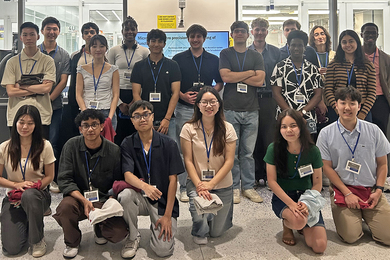
The 2026 NEMC Hub-sponsored externship gave students access to world-class research, advanced semiconductor manufacturing, and professionals driving innovation across the Northeast.

The tunable device controls mid-infrared light for more precise thermal imaging, chemical sensing, or pollution monitoring.
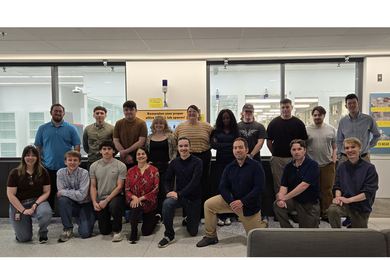
A hands-on boot camp teaches integrated photonics to community and four-year college students in the region.

Founded by Peter Godart ’15, SM ’19, PhD ’21, the company has developed technologies for extracting critical metals and making fuel out of aluminum.
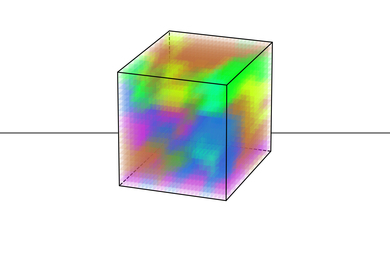
Relaxor ferroelectrics have been used in electronics and sensors for decades, but the source of their unique properties was a mystery until now.
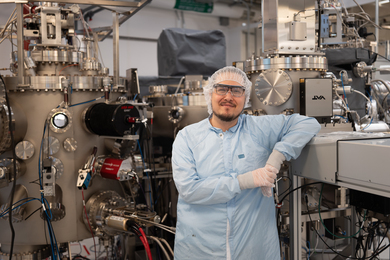
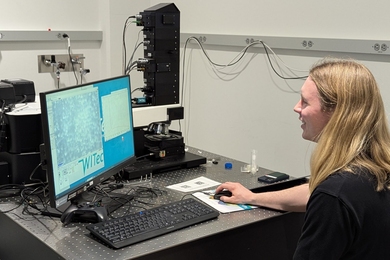
Startup accelerator program grows to over 30 companies, almost half of them with MIT pedigrees.

A new model measures defects that can be leveraged to improve materials’ mechanical strength, heat transfer, and energy-conversion efficiency.
One year in, MIT’s hands-on 6-5 (Electrical Engineering With Computing) degree program is already one of the most popular majors among first-year students.