
How should autonomous vehicles be programmed?
Massive global survey reveals ethics preferences and regional differences.
Massive global survey reveals ethics preferences and regional differences.
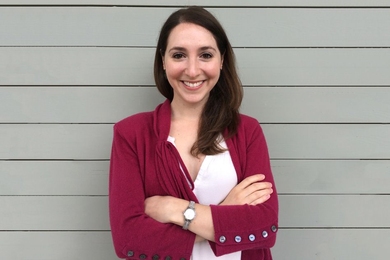
“My job is to be critical and deep as an art historian, and not as a politician,” says PhD student Nisa Ari.
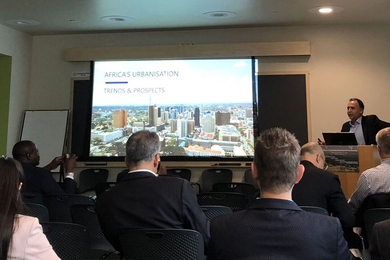
Researchers and experts attend African Sustainable Development Conference at MIT.
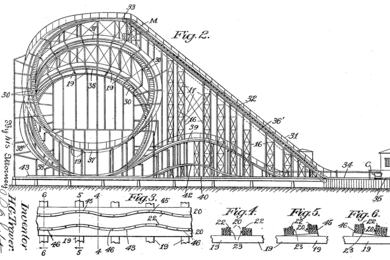
New MIT-hosted database is open to both examiners and the wider public, and seeks to reduce the number of wrongly-issued patents.
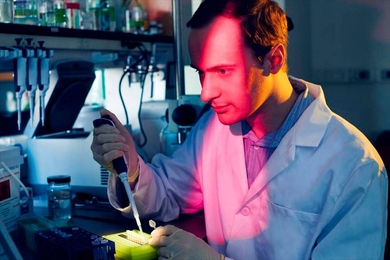
Cryptography techniques to screen synthetic DNA could help prevent the creation of dangerous pathogens, argues Professor Kevin Esvelt.

Emphasizing the scope and interdisciplinary mission on which it was founded, J-WAFS has a new name: the Abdul Latif Jameel Water and Food Systems Lab.
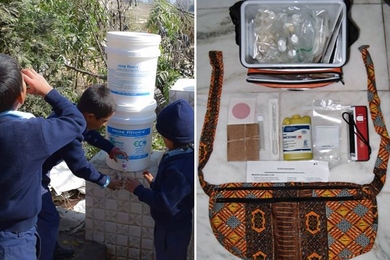
Solutions grants will aid commercialization of novel MIT technologies to test water safety and improve agricultural productivity.
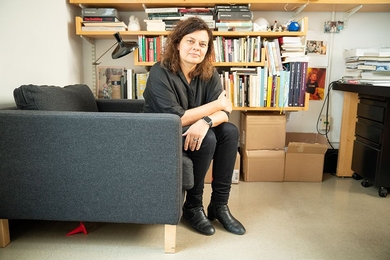
Historian, curator, and designer studies architects and their quest to make a better world.

Architect and planner remembered as a man who brought people together through a combination of wisdom, optimism, and charm.
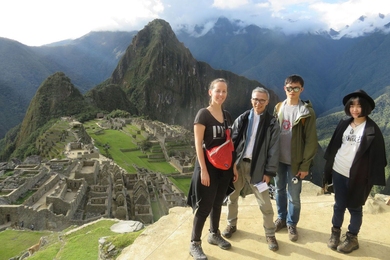
What if we could immerse ourselves in this UNESCO World Heritage Site through virtual reality or use augmented reality to interact with its 3-D site map?
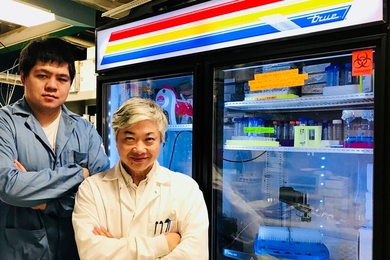
By making hydrophobic sections water-soluble, researchers hope to learn more about protein structures.
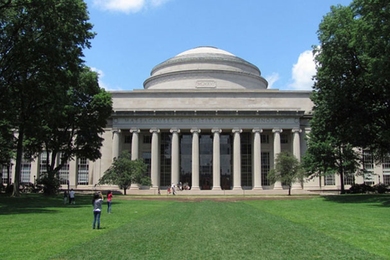
Interdisciplinary work will advance research in human and machine intelligence.

In a novel system developed by MIT researchers, underwater sonar signals cause vibrations that can be decoded by an airborne receiver.
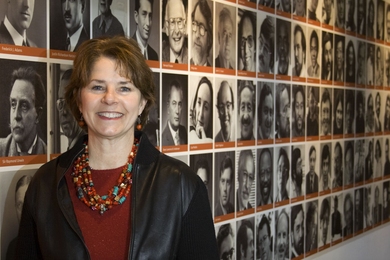
Corporations and nonprofits are applying the popular MIT online tool to shape policy and set wages.
Technique can capture a scene at multiple depths with one shutter click — no zoom lens needed.