
Chris Boyce wins Gates scholarship
MIT senior co-founded company focused on creating stretchable, bendable electronics and solar panels.
Why do some countries’ economies grow faster?
One of the Media Lab’s newest faculty members is adapting the mathematical tools of statistical physics to study development economics.
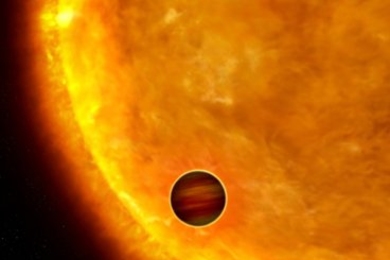
Explained: Transiting exoplanets
How astronomers learn whether a planet is habitable by observing slight changes in light emanating from its parent star.
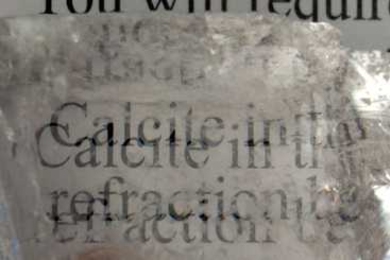
Hidden in plain sight
A new approach to invisibility cloaking gets much closer to the science-fiction version, using simple and inexpensive materials.
Research update: How to tame hammering droplets
MIT research uncovers new process relating to the way drops of water spread after striking a surface.
How liquids behave
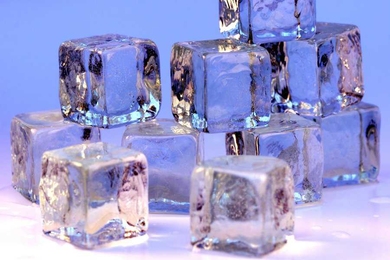
Researchers identify a fundamental property of how water and other liquids move at different temperatures.
And then there was light
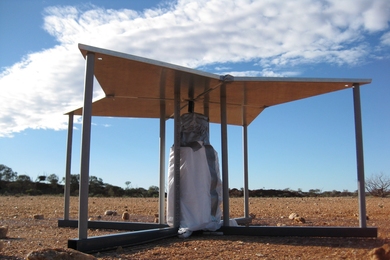
Astronomers probe ancient radio waves for clues about the universe’s first light.
Frost-free planes: back to the drawing board
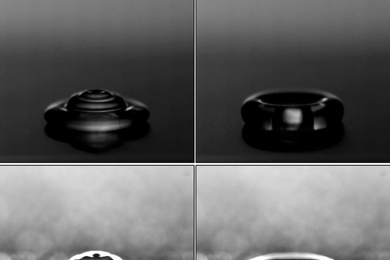
Research from MIT and GE demonstrates that a proposed passive solution for preventing ice on wings won’t work — but suggests an alternative.
Learning from hot Jupiters
By studying how massive planets may have formed, MIT astrophysicist sets the stage for studying smaller, more Earthlike planets.
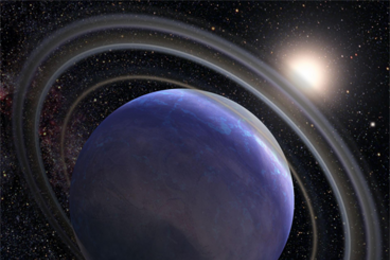
Building a list of Earth candidates
MIT researchers increase their odds of detecting an Earthlike planet by working on a combination of satellite missions.

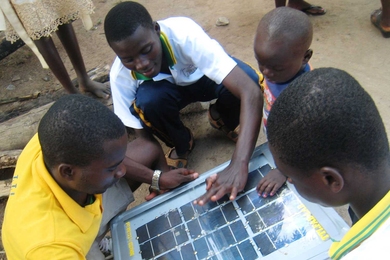
Undergrads bring energy education to Ghana
Ghanaian high school students share alternative energy ideas with rural village.
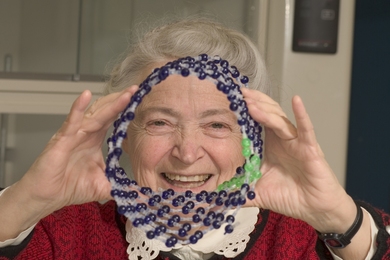
Honoring Millie
Friends and colleagues celebrate Institute Professor Mildred Dresselhaus' 80th birthday and her impact on science, society and MIT.
3 Questions: Sara Seager on the discovery of a ‘new’ form of life
The MIT planetary scientist discusses what the finding means for life on Earth and elsewhere in the universe.