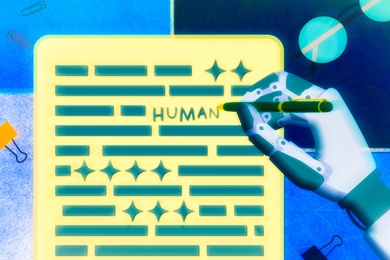
Helping AI text detectors keep up with changing conditions
A more flexible training method can make AI text detectors more robust when new models emerge or AI-generated text is disguised to appear human.
A more flexible training method can make AI text detectors more robust when new models emerge or AI-generated text is disguised to appear human.
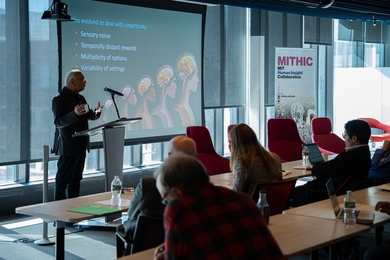
Supported by the MIT Human Insight Collaborative, scholars are exploring how AI is impacting the human experience and reshaping higher education.

The system asks humans for feedback to increase trust in machine-generated designs for buildings and bridges.
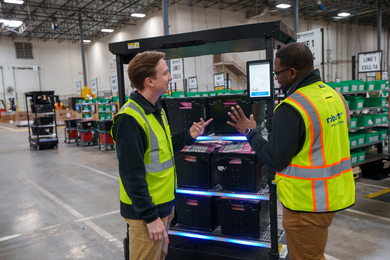
Founded by Anthony Jules ’92, SM ’92 and Professor Emeritus Rodney Brooks, Robust AI’s robots are designed to collaborate with humans in factories and warehouses.
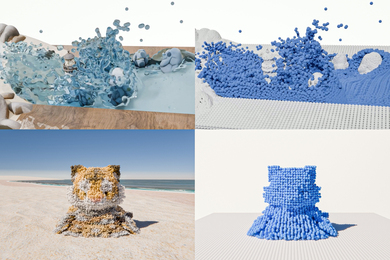
By learning how matter moves, the WorldParticle system could assist with developing soft robots, medicines, and more.
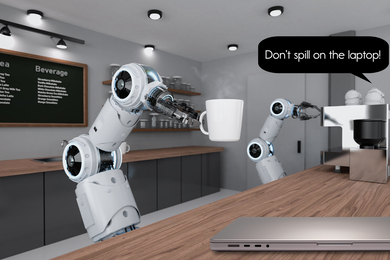
The new approach, known as FLEX, could lead to more intuitive, interactive household and assistive robots.

The Social.Wiki framework enables anyone to easily edit social websites within the system, while allowing them to choose the content they see.
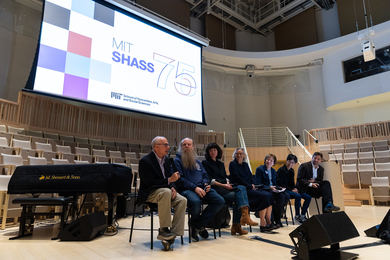
During the School of Humanities, Arts, and Social Sciences’ 75th Anniversary Symposium, President Sally Kornbluth said “MIT has never needed your particular insight and guidance more than we do now.”

MIT Media Lab professor received the IDSA Special Achievement Award for three decades of research integrating physical and digital environments.
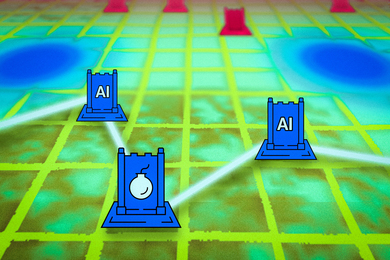
Able to defeat top-ranked human players and more efficient than other models, the new system could help decision-makers in military maneuvers or business negotiations.

In a study focusing on hiring decisions, MIT researchers found the use of a single algorithm by many firms could benefit job seekers in certain situations.
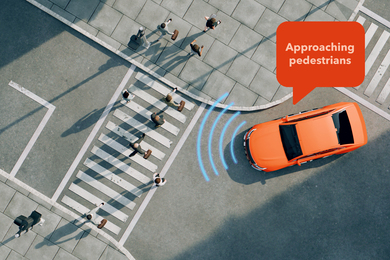
A new method, called CW-Net, translates the reasoning process of an autonomous vehicle’s AI system into understandable concepts that explain its behavior.
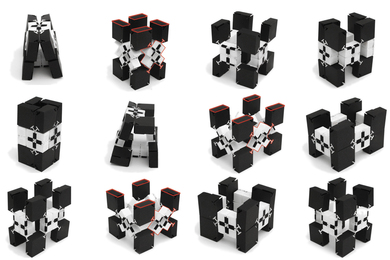
Dubbed “bifur-circuits,” these interactive building blocks could be used to develop reconfigurable robotic grippers or customized assistive devices.
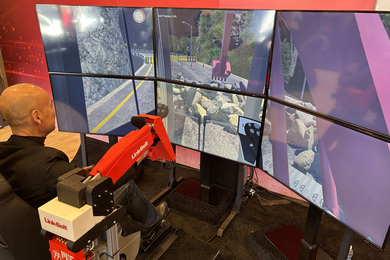
The new, more intuitive system could speed up the training process for excavator operators.
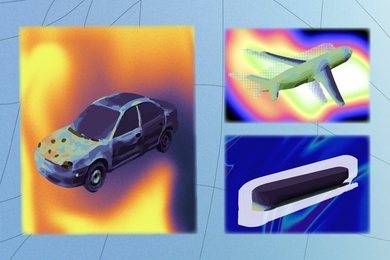
“GeoPT” helps AI models understand the basics of physics so they can simulate how objects respond to things like wind and water more efficiently and accurately.