
Anthea Coster awarded International Union of Radio Science Appleton Prize
The MIT Haystack Observatory principal research scientist is honored for lifetime contributions to ionospheric research.
The MIT Haystack Observatory principal research scientist is honored for lifetime contributions to ionospheric research.
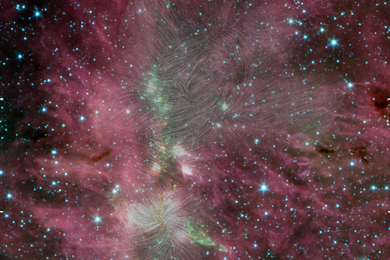
MIT Haystack Observatory researchers use SOFIA observations to reveal how magnetic fields guide the assembly of one of our galaxy's most active high-mass star-forming regions.
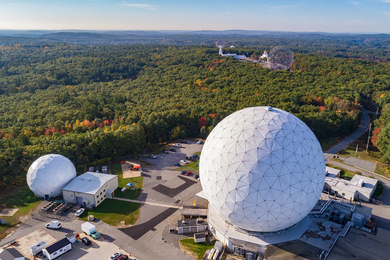
The legendary radio astronomy telescope returns to its science and educational mission at MIT Haystack Observatory.

Observations suggest a major melting event at the Ross Ice Shelf was connected to atmospheric turbulence.
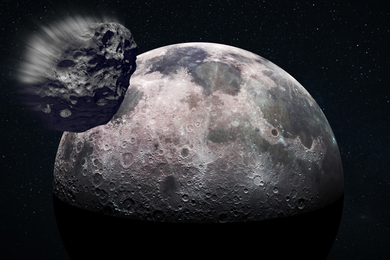
MIT astronomers are developing a new way to detect, monitor, and mitigate the threats posed by smaller asteroids to our critical space infrastructure.
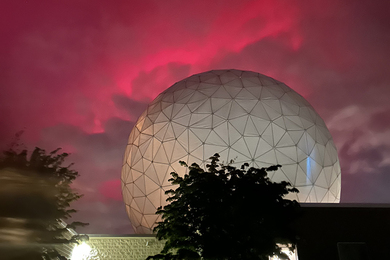
Solar maximum occurred within the past year — good news for aurora watchers, as the most active period for displays at New England latitudes occurs in the three years following solar maximum.

Longtime research scientist who served as associate director and interim director helped guide Haystack to decades of influential leadership in the development and refinement of the VLBI technique.

A proposed telescope made of thousands of tiny, identical satellites will work to reveal low-frequency radio waves in space.

Optimized for generative AI, TX-GAIN is driving innovation in biodefense, materials discovery, cybersecurity, and other areas of research and development.
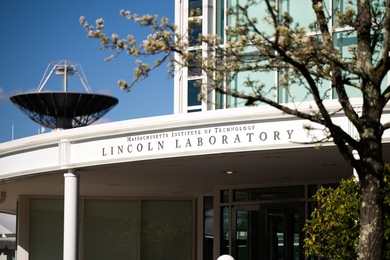
The US Air Force and MIT renew contract for operating the federally funded R&D center, a long-standing asset for defense innovation and prototyping.

Haystack Observatory researchers and citizen scientists team up to map the aurora.

New study proposes that some of the minerals seen on Mars today may have formed in liquid CO2 instead of water.
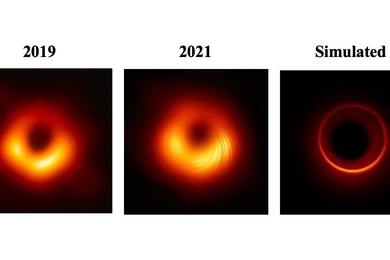
The Lincoln Laboratory-developed laser communications payload operates at the data rates required to image these never-before-seen thin halos of light.
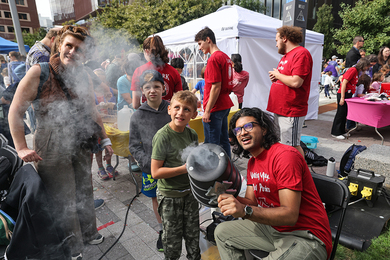
Organized by the MIT Museum, the 2024 celebration of science, technology, and culture was the largest in its history, with over 50,000 visitors at 300 events.
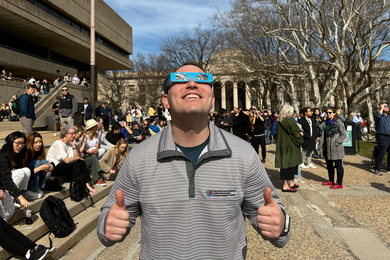
Hundreds of observers took advantage of great weather to view the 2024 partial eclipse.