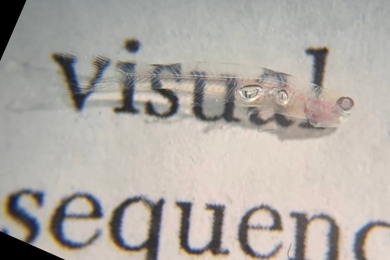
Scientists create the first whole-body single-cell atlas of an adult vertebrate
Researchers mapped gene activity across the entire body of a tiny fish, creating a resource for studying brain regeneration, cellular diversity, and tissue function.
Researchers mapped gene activity across the entire body of a tiny fish, creating a resource for studying brain regeneration, cellular diversity, and tissue function.
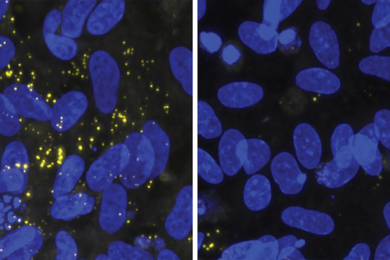
MIT researchers showed that the APOE4 gene variant suppresses molecular signaling needed for oligodendrocytes to myelinate neurons and also demonstrated a proof-of-concept fix.
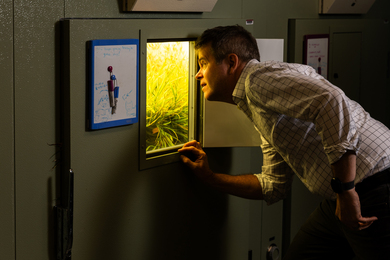
Associate Professor David Des Marais studies how plants interact with their surroundings and adapt over time.
Some tumor cells develop resistance by amplifying the KRAS gene, while others change their tumor type, MIT researchers have found.
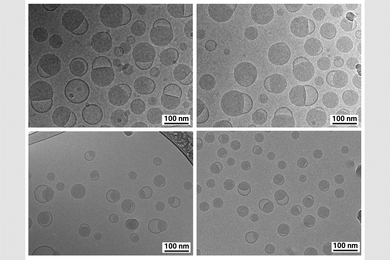
MIT chemical engineers found a way to rapidly produce lipid nanoparticles of varying sizes, which could make it easier to develop new vaccines and therapeutics.
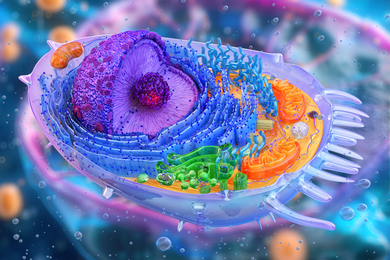
Tracking down senescent cells, which accumulate as we age, could help diagnose age-related disorders and guide researchers working on new treatments.
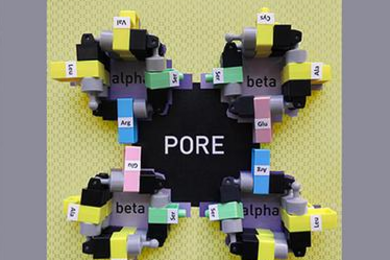
Using a modular kit, the MIT Edgerton Center is bringing a hands-on biology curriculum to Massachusetts’ second-largest school district.
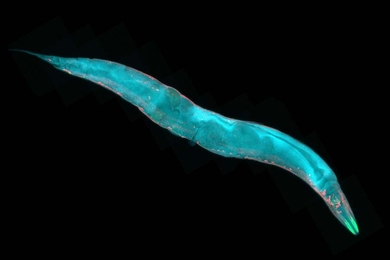
A study of worms finds a protein that helps shape the structure of the genome is critical for establishing the identity of some neurons.
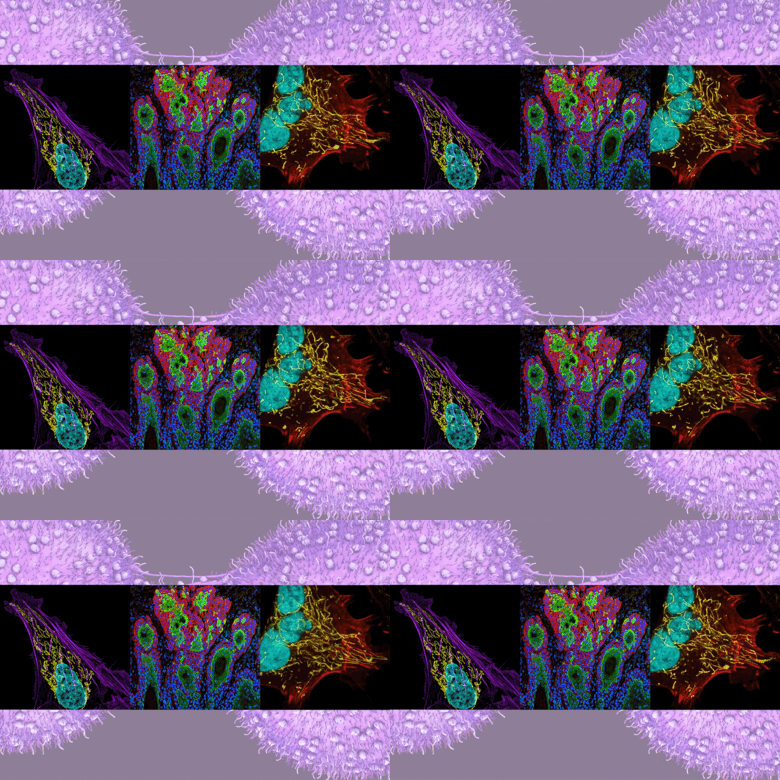
Derived from patient tumor samples and available to researchers around the world, the cells will aid the development of new cancer treatments.
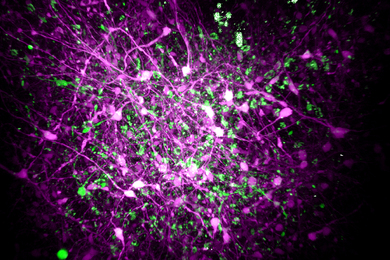
Using advanced human cell cultures, MIT researchers tracked how two different mutations alter neural circuit development, and how each could be addressed with distinct potential therapeutics.
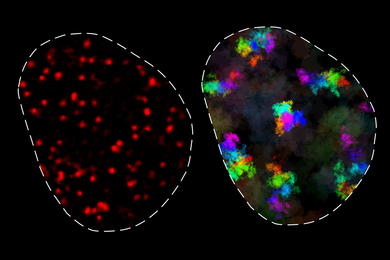
By monitoring these chromosomal structures over many timescales, MIT researchers found that chromatin helps bring genes closer to their regulatory elements.
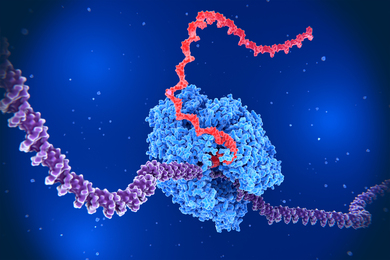
When genes are transcribed, they suppress or activate their neighbors, coupling expression between the two genes.
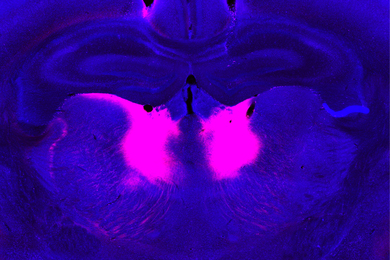
Impairments of this circuit may help to explain why some people with schizophrenia lose touch with reality.
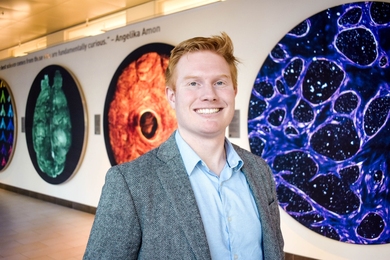
Assistant Professor Matthew Jones is working to decode molecular processes on the genetic, epigenetic, and microenvironment levels to anticipate how and when tumors evolve to resist treatment.

By providing holistic information on a cell, an AI-driven method could help scientists better understand disease mechanisms and plan experiments.