An ally for the understudied Y chromosome
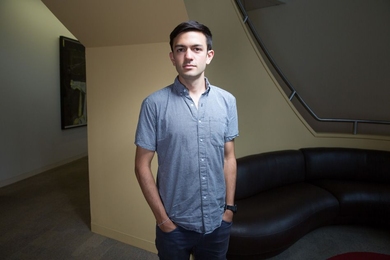
Graduate student Alexander Godfrey tackles a chromosome that half the world has — yet few understand.
Graduate student Alexander Godfrey tackles a chromosome that half the world has — yet few understand.
Hydrogen peroxide produced by some bacteria causes DNA double-strand breaks, cell suicide.
Process that allows brains to learn and remember also leads to degeneration with age.
Timing of inflammation determines whether potentially cancerous mutations may arise.
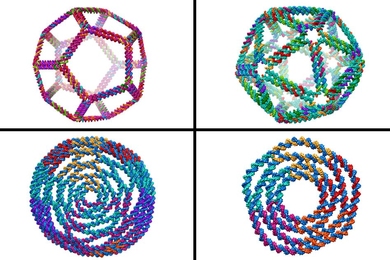
Engineers computer-design the most complicated 3-D structures ever made from DNA.
An enzyme key to DNA repair can worsen tissue damage caused by stroke and organ transplantation.
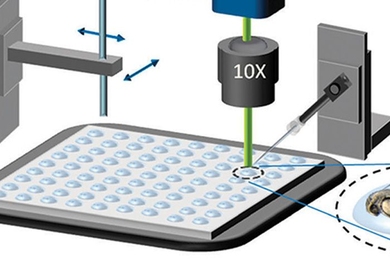
Engineers devise technology for rapidly testing drug-delivery vehicles in zebrafish.
Alumnus strikes delicate balances in big data — helping define the future of health care.
Rahul Sarpeshkar bridges biology and engineering to advance research and applications in biotechnology, medicine, and supercomputing.
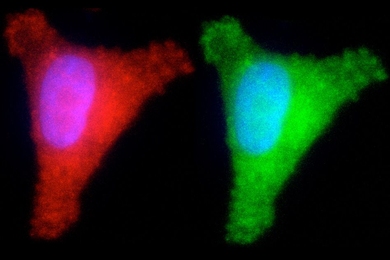
Test analyzing cells’ ability to fix different kinds of broken DNA could help doctors predict cancer risk.
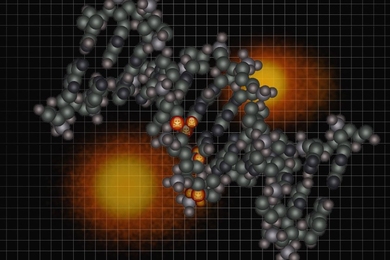
Some nanoparticles commonly added to consumer products can significantly damage DNA.
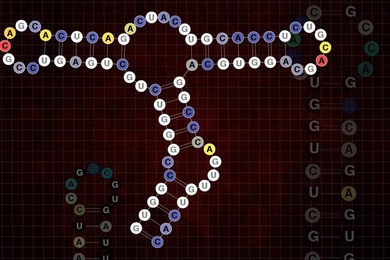
Computer models plus observations of RNA inside a cell help scientists home in on a short list of interesting RNA ‘machines.’
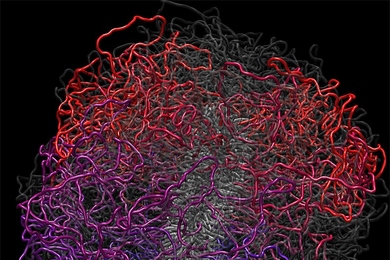
Scientists find that loops of DNA are key to tightly packing genetic material for cell division.