Tapping into the million-year energy source below our feet
MIT spinout Quaise Energy is working to create geothermal wells made from the deepest holes in the world.
MIT spinout Quaise Energy is working to create geothermal wells made from the deepest holes in the world.
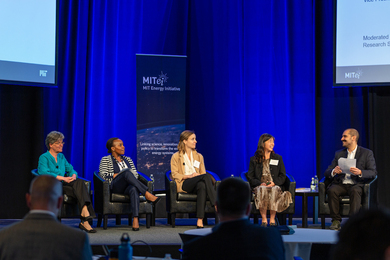
Hydrogen fuel has long been seen as a potentially key component of a carbon-neutral future. At the 2022 MIT Energy Initiative Spring Symposium, industry experts describe efforts to produce it at scale.
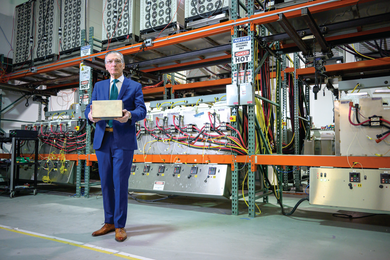
The MIT professor's work could enable long-term storage of renewable energy.
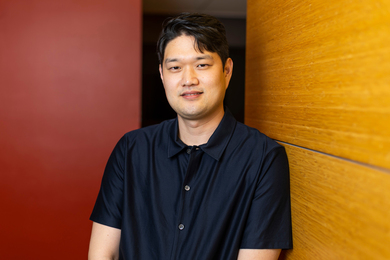
PhD student Jungwoo Chun works toward a more sustainable future through research, teaching, and public service.

MIT research highlights the opportunity to rethink global air quality guidelines.

MIT Refugee Action Hub event convene learners, activists, and educators from around the world in storytelling and collaboration.
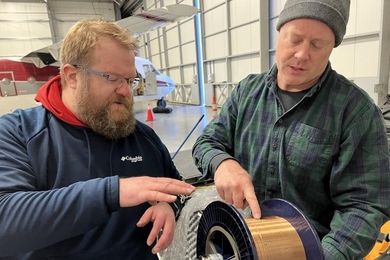
A distributed sensor network may help researchers identify the physical processes contributing to diminishing sea ice in the planet’s fastest-warming region.
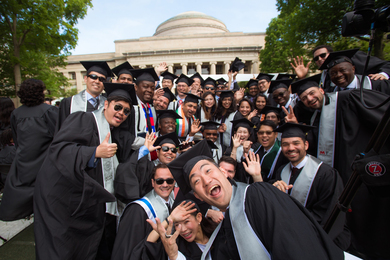
Head of the World Trade Organization urges graduates to embrace opportunities to serve others.

In annual T.T. and W.F. Chao Distinguished Buddhist Lecture Series, Baker takes up “Environment, Ethics and Embodiment: Buddhist Approaches to Climate Change.”
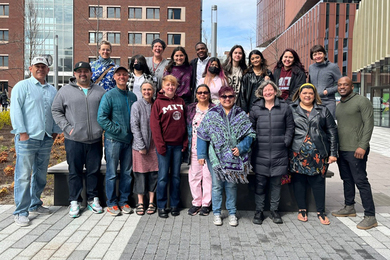
Natural world philosophies are a source of solutions.
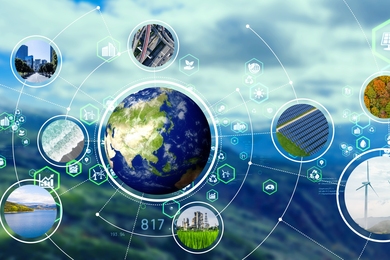
Twenty winning projects will link industry member priorities with research groups across campus to develop scalable climate solutions.
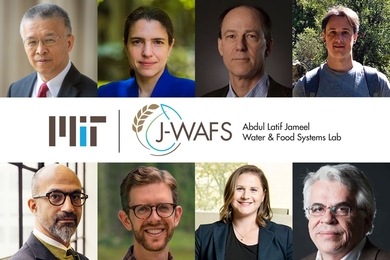
The grants total over $1 million in support of research that addresses issues in the water and food sectors.

MIT Energy Initiative report supports energy storage paired with renewable energy to achieve clean energy grids.
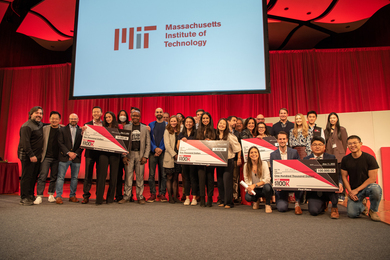
Nona Desalination is developing a compact water-desalination device that requires less electricity than a cell phone charger.

Members of three working groups outline latest efforts implementing the ambitious plan, launched last year.