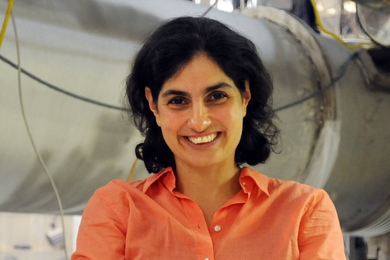
Nergis Mavalvala wins MacArthur ‘genius’ grant
Physics professor and two alumni are awarded $500,000 in no-strings-attached funding.
Physics professor and two alumni are awarded $500,000 in no-strings-attached funding.

An MIT engineer for 25 years, he helped design instruments for NASA’s Voyager spacecraft.
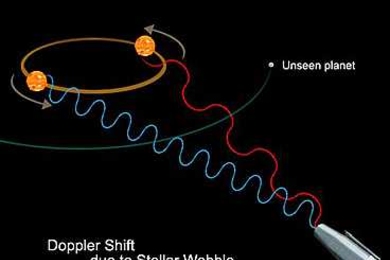
The same phenomenon behind changes in the pitch of a moving ambulance’s siren is helping astronomers locate and study distant planets.
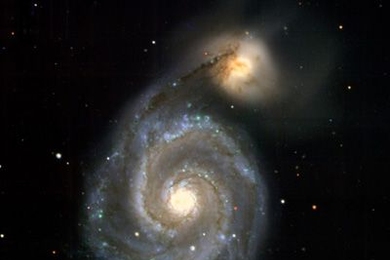
Pan-STARRS, a telescope designed to reveal the ‘unexpected surprises’ in our solar system, including possible threats to Earth, just became fully operational.
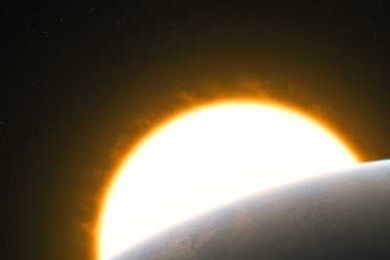
Researchers see tempestuous atmosphere on a planet located 150 light years from Earth.
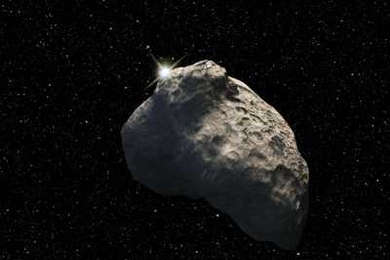
MIT astronomer leads the first team to study a Kuiper Belt object during a stellar occultation.
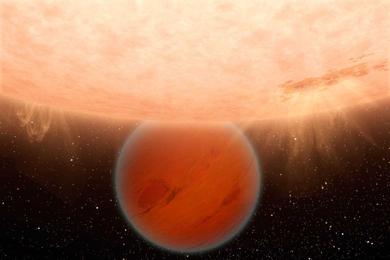
First detailed analysis of the atmosphere of a Neptune-sized planet reveals surprisingly low methane levels, presents "new territory" for researching planets outside our solar system
Wins Klumpke-Roberts Award in recognition of her contributions
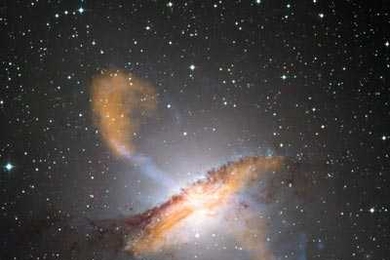
Retrograde spin of supermassive black holes may create jets that control galaxy evolution
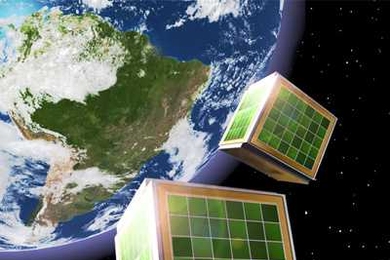
An electric propulsion technology for miniature satellites aims to give them more mobility — and may eventually allow them to take on deep-space missions.
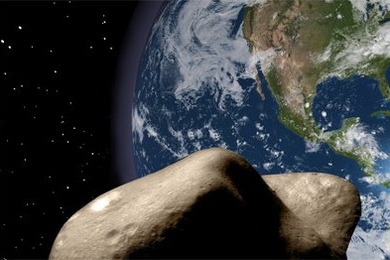
Research suggesting that near-Earth encounters can ‘shake’ asteroids opens the door to a new field: asteroid seismology
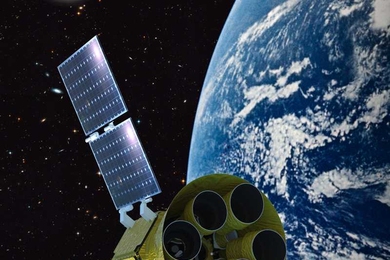
Researchers say proposed satellite could represent astronomy’s ‘next big leap’ — one that may help find signs of life elsewhere in the universe.
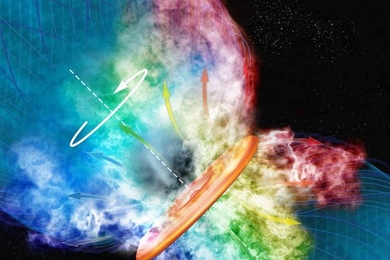
Time-lapse movie shows that massive stars — which may hold clues about the origins of life — form like their smaller siblings.
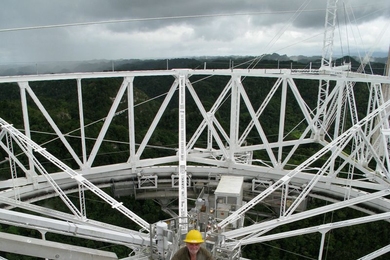
New message beamed to the stars commemorates Earth’s first attempt to reach out to intelligent aliens