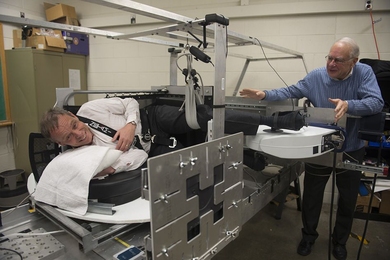
Working out in artificial gravity
A combination of exercise and artificial gravity may lessen negative effects of weightlessness in space.
A combination of exercise and artificial gravity may lessen negative effects of weightlessness in space.
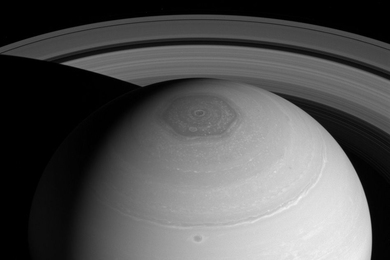
New model may predict cyclone activity on other planets.
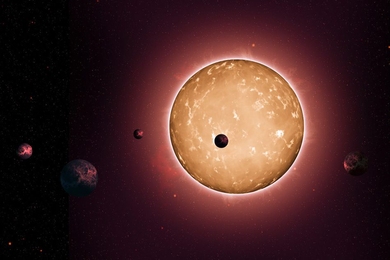
Observations of 74 Earth-sized planets around distant stars may narrow field of habitable candidates.
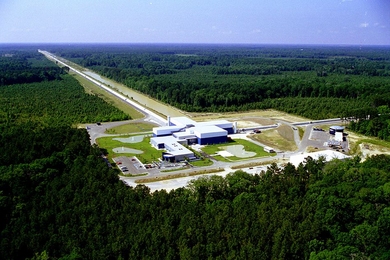
Einstein’s theory of general relativity to be put through the paces as Advanced LIGO comes online.

Geologist Taylor Perron explores river networks on Earth and beyond.
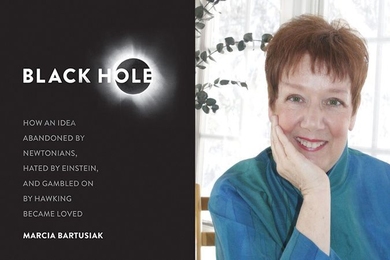
MIT professor’s new book explores the winding path of scientific discovery.
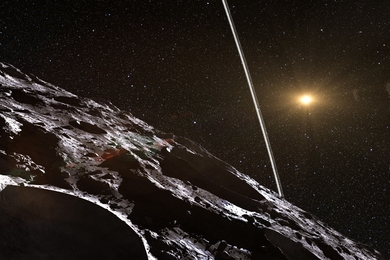
Researchers detect features around Chiron that may signal rings, jets, or a shell of dust.
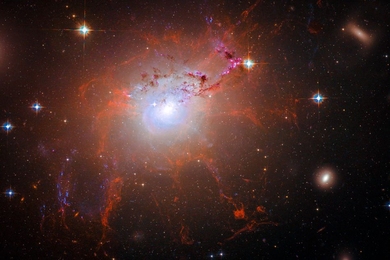
Study explains why galaxies don’t churn out as many stars as they should.
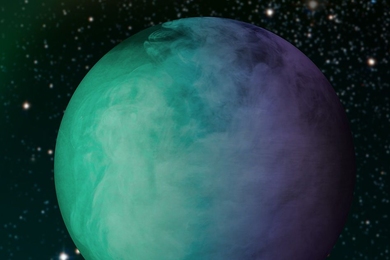
Team describes use of method to determine properties of clouds surrounding the exoplanet Kepler-7b.
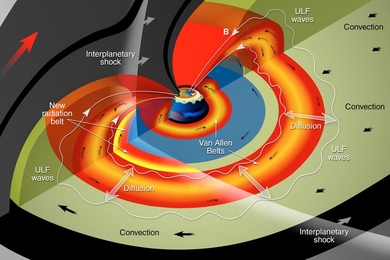
Solar storm found to produce “ultrarelativistic, killer electrons” in 60 seconds.
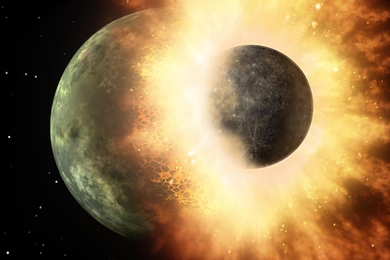
New study finds meteorites were byproducts of planetary formation, not building blocks.
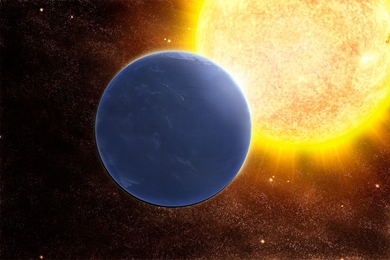
MIT study finds an exoplanet, tilted on its side, could still be habitable if covered in ocean.
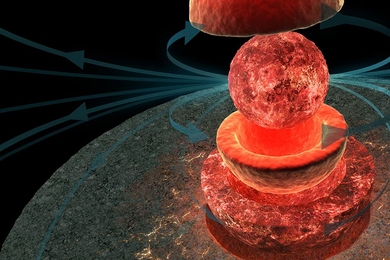
The moon’s molten, churning core likely once generated a dynamo.
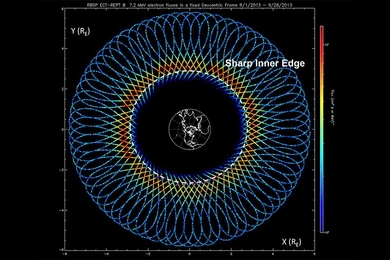
Researchers find that Earth’s “plasmaspheric hiss” protects against a harmful radiation belt.
In support of three new experiments, MIT's Enectali Figueroa-Feliciano will answer questions about dark matter research in a live Google Hangout on Nov. 20.