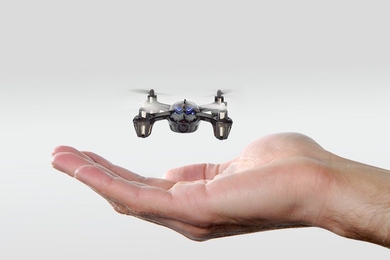
Miniaturizing the brain of a drone
Method for designing efficient computer chips may get miniature smart drones off the ground.
Method for designing efficient computer chips may get miniature smart drones off the ground.

Density of highly educated residents, rather than income or housing costs, predicts revitalization.

New technique helps elucidate the inner workings of neural networks trained on visual data.

New book by Andrew McAfee and Erik Brynjolfsson surveys tech’s challenges for business.

Machine learning approach could aid the design of industrial processes for drug manufacturing.
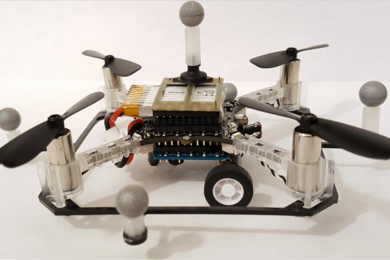
CSAIL team’s system of quadcopters that fly and drive suggest another approach to developing flying cars.

Conference convened by the White House Office of American Innovation includes leading corporate CEOs and other technology leaders.

Technique that reduces video files to one-tenth their initial size enables speedy analysis of laparoscopic procedures.

CSAIL PhD student creates immersive media to help users understand each other’s backgrounds and feelings.
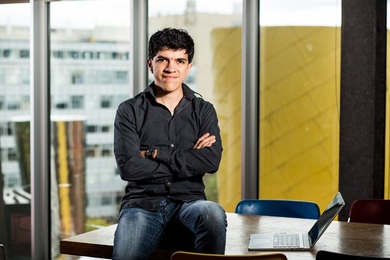
Initially turned down by nearly every college he applied to, the computer scientist cleared his own path to MIT.
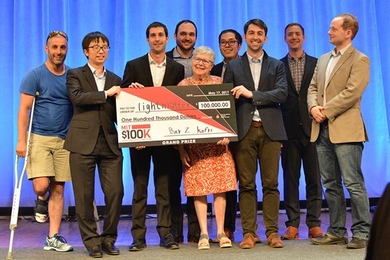
A flushless toilet that shrinks waste and a device that detects leaky pipes also won top prizes.

Professor David Mindell, who researches the interaction between automation and human behavior, discusses the interdependence of people, robots, and infrastructure.
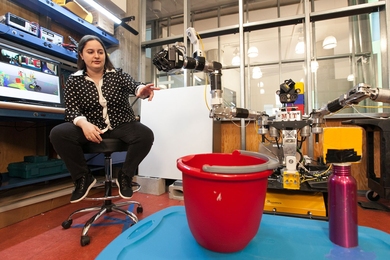
CSAIL approach allows robots to learn a wider range of tasks using some basic knowledge and a single demo.

Former Google CEO, now chairman of parent company Alphabet, speaks to students as part of fireside chat with CSAIL Director Daniela Rus.