
Cynthia Breazeal named Media Lab associate director
Expert in personal social robots will work with lab faculty and researchers to develop strategic research initiatives, and to explore new funding mechanisms.
Expert in personal social robots will work with lab faculty and researchers to develop strategic research initiatives, and to explore new funding mechanisms.
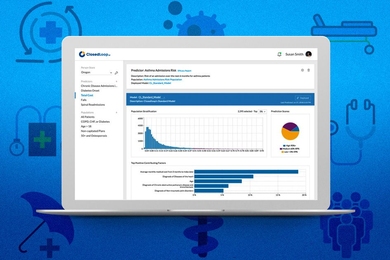
The startup ClosedLoop has created a platform of predictive models to help organizations improve patient care.

DriveSeg contains precise, pixel-level representations of many common road objects, but through the lens of a continuous video driving scene.
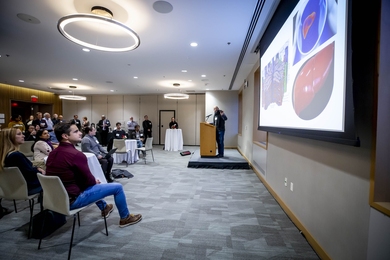
Research projects will harness the power of artificial intelligence to positively impact human health.

Researchers capture our shifting gaze in a model that suggests how to prioritize visual information based on viewing duration.
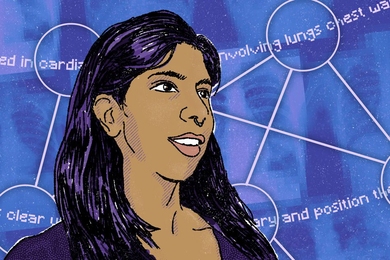
PhD student Geeticka Chauhan draws on her experiences as an international student to strengthen the bonds of her MIT community.

The design could advance the development of small, portable AI devices.
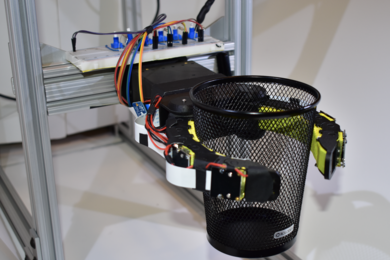
In a pair of papers from MIT CSAIL, two teams enable better sense and perception for soft robotic grippers.

UROP students explore applications in robotics, health care, language understanding, and nuclear engineering.

Startup makes meeting data searchable and shareable, and automates data entry into workplace apps.

Engineers develop a rapid screening system to test fracture resistance in billions of potential materials.
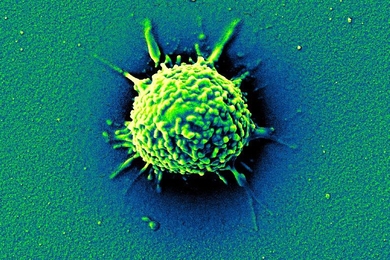
The MIT-IBM Watson AI Lab is funding 10 research projects aimed at addressing the health and economic consequences of the pandemic.

Researchers test how far artificial intelligence models can go in dreaming up varied poses and colors of objects and animals in photos.

Job-replacing tech has directly driven the income gap since the late 1980s, economists report.

Study finds manufacturing companies that are quick to automate can thrive, but overall employment drops.