

Finding patterns in corrupted data
New model-fitting technique is efficient even for data sets with hundreds of variables.

Quantifying urban revitalization
Combining cellphone data with perceptions of public spaces could help guide urban planning.
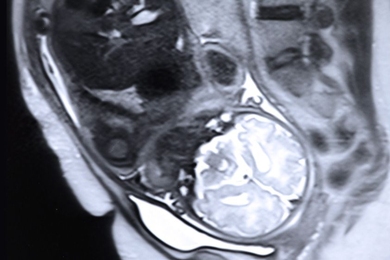
MRIs for fetal health
Algorithm could help analyze fetal scans to determine whether interventions are warranted.

With new model, buildings may “sense” internal damage
System predicts how MIT’s tallest structure responds to vibrations, may help monitor stress over time.


Algorithm connects students to the most interesting person they’ve never met
Tuka Al-Hanai and Mohammad Ghassemi have connected over 500 MIT students for more than 1,000 lunch meetings.

Q&A: How Twitter explains the 2016 election
“Electome” project charts the national conversation in unique detail.

Cache management improved once again
New version of breakthrough memory management scheme better accommodates commercial chips.
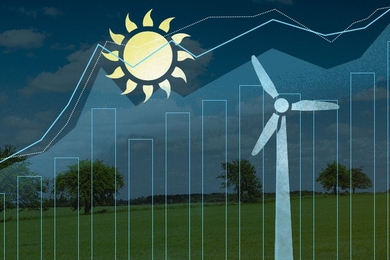
Calculating the financial risks of renewable energy
Financial-modeling software for sustainable-infrastructure projects could boost investment in sector.
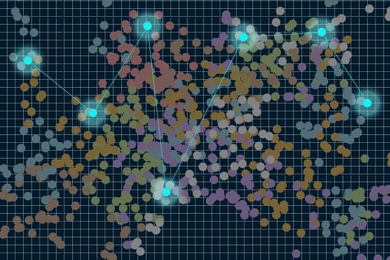
Faster parallel computing
New programming language delivers fourfold speedups on problems common in the age of big data.
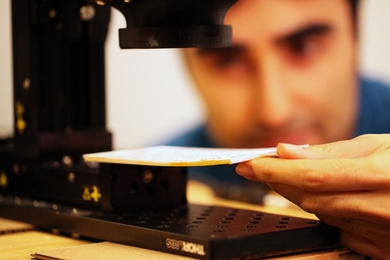
Judging a book through its cover
New computational imaging method identifies letters printed on first nine pages of a stack of paper.
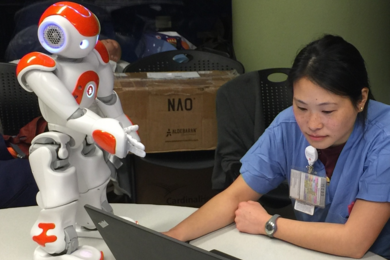
Robot helps nurses schedule tasks on labor floor
System from Computer Science and Artificial Intelligence Lab suggests where to move patients and who should do C-sections.

Exploring networks efficiently
Analysis of ant colony behavior could yield better algorithms for network communication.

Better views with smaller satellites
Batches of shoebox-sized satellites could improve estimates of Earth’s reflected energy.