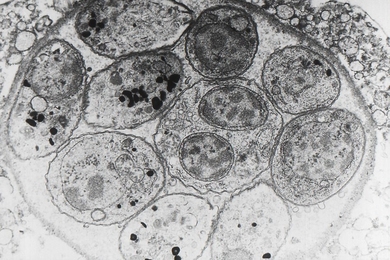
Researchers identify new target for anti-malaria drugs
Manipulating the permeability of a type of vacuole could help defeat malarial parasites.
Manipulating the permeability of a type of vacuole could help defeat malarial parasites.
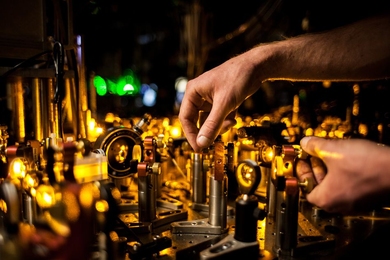
Instrument freezes and images 1,000 individual fermionic atoms at once.
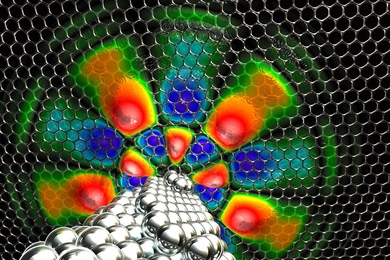
“Whispering gallery” effect confines electrons, could provide basis for new electron-optics devices.
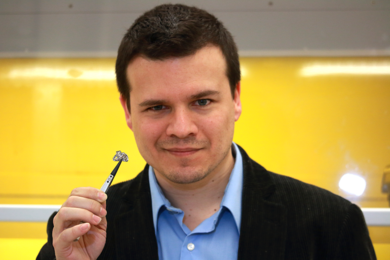
MIT physics professor has played a leading role in the development of revolutionary new artificial materials.

Geologist Taylor Perron explores river networks on Earth and beyond.
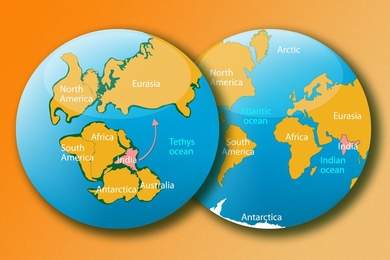
MIT researchers explain mystery of India’s rapid move toward Eurasia 80 million years ago.

Event honors Stephen Lippard, recipient of the 2015 Benjamin Franklin Medal in Chemistry, for his work on the role of metal atoms in biology and medicine.
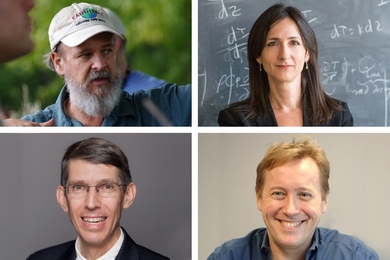
Bowring, Mrowka, Poterba, and Seager named for “distinguished” research.
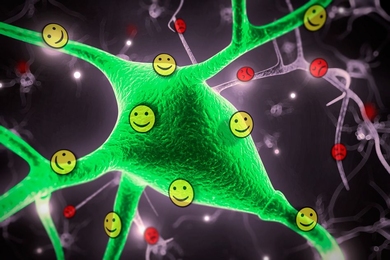
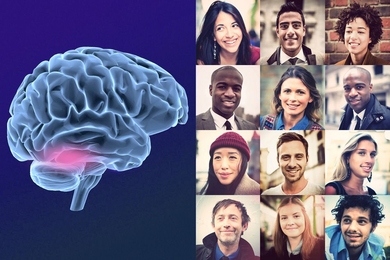
Neuroscientists identify neurons in the amygdala that assign emotions to experience.

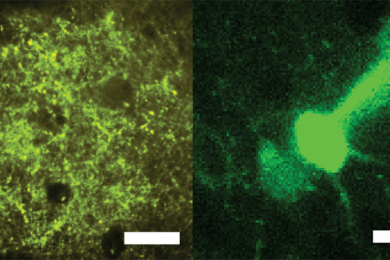
First demonstration that a common neurotransmitter acts via a single neuron type to enable effective information-processing.
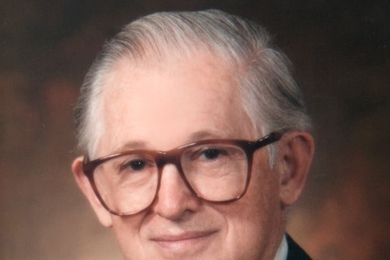
Pioneer in semiconductors created MIT's magnet laboratory and served as associate director of the MIT Lincoln Laboratory.
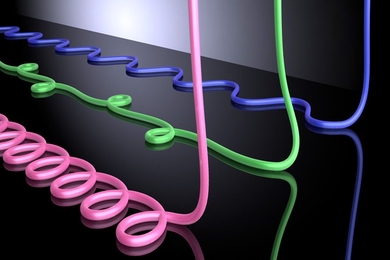
A new simplified model predicts patterns that form from honey-like fluids.

MIT faculty members discuss the history and science behind Earth’s warming climate, and whether anything can be done to mitigate a rising global temperature.