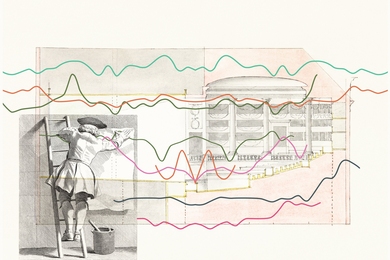
Examining the French stage during the Enlightenment and French Revolution
Bilingual, interactive online publication asks how politics, economics, and social conflict shaped the Comédie-Française theater troupe’s repertory and impacted its finances.
Bilingual, interactive online publication asks how politics, economics, and social conflict shaped the Comédie-Française theater troupe’s repertory and impacted its finances.
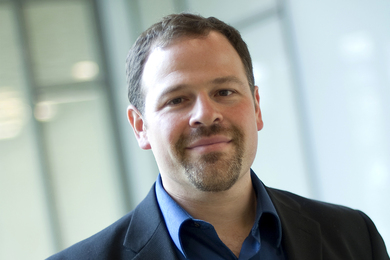
MIT political scientist explains the responsibilities leaders have for shaping and sharing factual, truthful information in the nation's political discourse.
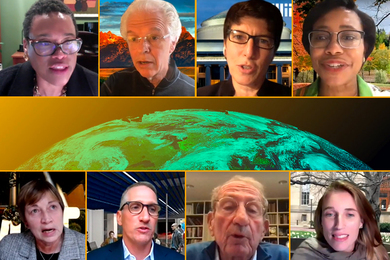
An online symposium explores roles for research universities and outlines the Institute’s efforts to be a testbed for research and policy innovations.

Political science graduate student Matthew Cancian brings his own military experience to bear on battlefield psychology.
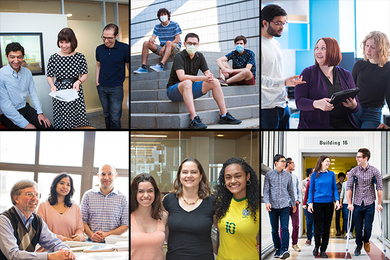

Despite the disruption caused by the pandemic, MIT students have carved out meaningful hands-on experiences.

MIT professor’s study quantifies how many mail-in ballots became “lost votes” in the 2016 U.S. federal election.

MIT political scientist researches voting, race, the legal system, and bureaucratic behavior.

Website created in response to Covid-19 yields unexpected insights into what’s possible for reaching learners at a distance.

MIT Task Force on the Work of the Future looks at how the tax system has led to excessive reliance on machines.
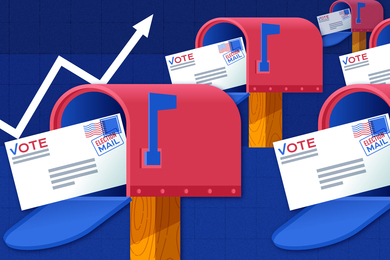
Study measures the “blue shift” from absentee and provisional ballots, underscores uncertainties of 2020 vote.
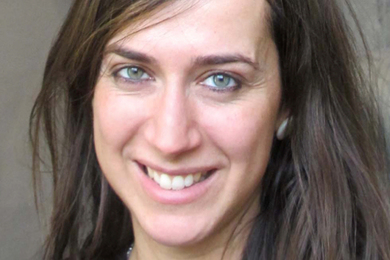
Political science professor will spearhead the Institute’s interdisciplinary center that studies high-impact, complex societal challenges.

Using novel computational approaches, graduate student Shiyao Liu develops better tools for analyzing data.

In his latest book, economist Robert Townsend surveys how “distributed ledger” technologies can help emerging economies and many industries.
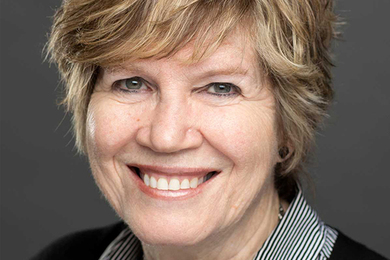
Designed for students, the program explores on a grand scale how technology can aid or hinder human rights.