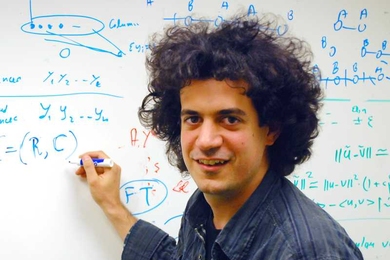
What computer science can teach economics
Constantinos Daskalakis applies the theory of computational complexity to game theory, with consequences in a range of disciplines.
Constantinos Daskalakis applies the theory of computational complexity to game theory, with consequences in a range of disciplines.
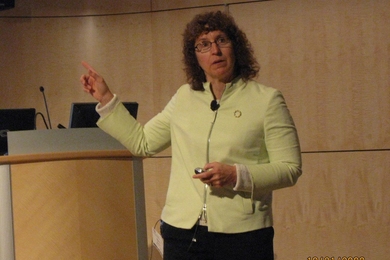
On Oct. 22-23, MIT faculty and industry leaders discussed the need for a systems-based approach to tackle complex challenges such as health care, energy, and the environment at the 2009 MIT conference on systems thinking for contemporary challenges.
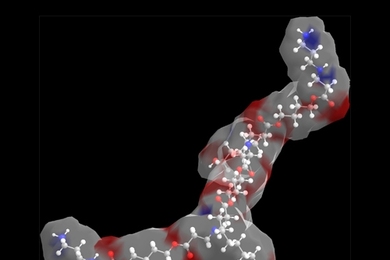
MIT team’s nanoparticles could become a safer alternative to gene therapy delivered by viruses.

Judith Layzer says there’s no easy way out when it comes to climate change — but that geo-engineering might be a last-ditch solution.

Professor’s ‘academic family’ recalls the life and work of the infectious disease expert.
Places second in the Silicon category — comprising cars that raced with off-the-shelf, terrestrial-grade silicon solar cells
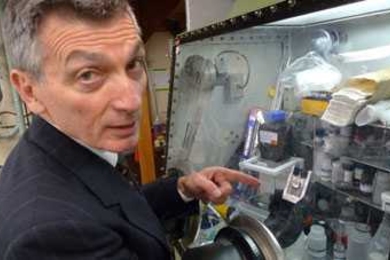

Even well-defended computers can leak shocking amounts of private data. MIT researchers seek out exotic attacks in order to shut them down
A dirt-powered battery developed by Lebônê Solutions Inc., a 2009 MIT IDEAS Competition team, was recently named one of the 10 Most Brilliant Innovations of 2009 by Popular Mechanics Magazine.

The most notorious problem in theoretical computer science remains open, but the attempts to solve it have led to profound insights.

MIT teams up with three universities in Singapore to develop smart, sustainable urban transportation solutions
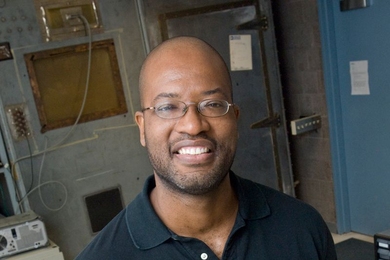
MIT engineer Joel Dawson and colleagues built a handheld probe that could help doctors monitor muscle atrophy in patients with Lou Gehrig's Disease and similar ailments.