Putting carbon dioxide to good use
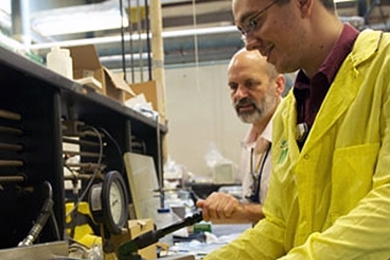
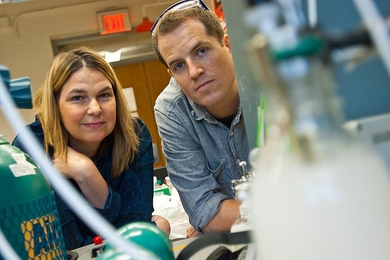
MIT biological engineers have found a way to convert carbon-dioxide emissions to useful building materials, using genetically altered yeast.
MIT biological engineers have found a way to convert carbon-dioxide emissions to useful building materials, using genetically altered yeast.

Subra Suresh, nominated to head NSF, is on sabbatical leave for the fall semester.
MIT chemical engineers demonstrate a new way to dramatically boost bacteria’s manufacturing abilities.

An MIT engineer for 25 years, he helped design instruments for NASA’s Voyager spacecraft.

Scholars’ diverse backgrounds enhance MIT community, research and teaching.
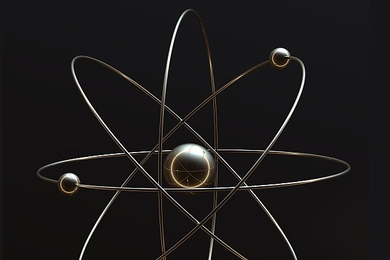
MIT study finds no shortage of uranium for nuclear energy for decades, but more research is needed to develop improved fuel-cycle options.

At a Brookings Institution event, the MIT president warns U.S. STEM-education gap to have ‘disastrous consequences’ on nation.
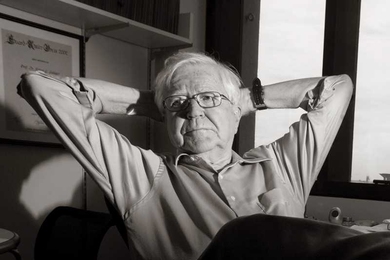
As a grad student, Robert Gallager, SM ’57, ScD ’60, met one of information theory’s central challenges. But nobody realized it for 30 years.
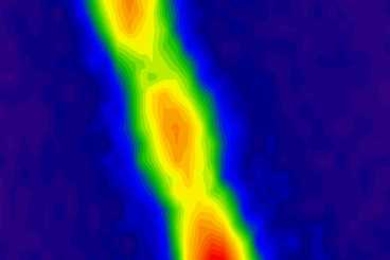
New antenna made of carbon nanotubes could make photovoltaic cells more efficient by concentrating solar energy.
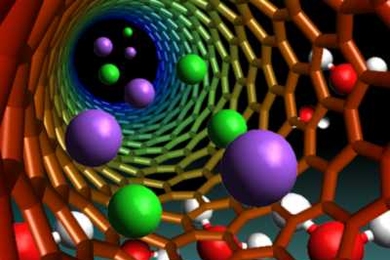
The tiny, multitalented carbon tubes can carry single molecules, one at a time.
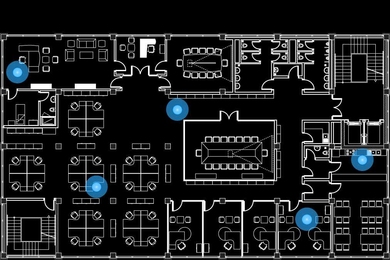
By demonstrating fundamental limits on their accuracy, MIT researchers show how to improve wireless location-detection systems.

New self-assembling photovoltaic technology can keep repairing itself to avoid any loss in performance.

An MIT junior faculty member in the 1960s, he later flew on the space shuttle and became a NASA associate administrator.
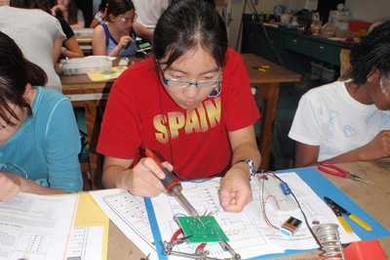
MIT Edgerton Center takes on NASA’s Summer of Innovation with 5 summer programs. Learn more about one of them.