
Mathematical framework connects biological principles to manufacturable, adaptive materials
The new framework could streamline the design process of robotic grippers or aerospace components that exhibit complex behaviors found in nature.
The new framework could streamline the design process of robotic grippers or aerospace components that exhibit complex behaviors found in nature.

A towering figure in theoretical hydrodynamics is remembered for his intellectual rigor, generosity, and lifelong devotion to his students.
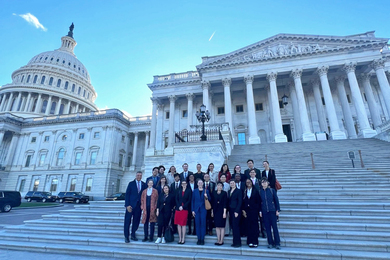
MIT students and postdocs discussed science funding and research with policymakers in Washington during the MIT Science Policy Initiative’s annual Congressional Visit Days.

MIT researchers find that where new energy projects are built could be key to avoiding blackouts in a future with hotter weather and other challenges.
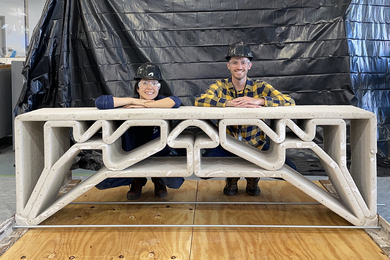
MIT researchers developed a framework that folds a printer’s real-world limits into the optimization, while revealing that better hardware could sharply reduce material use.

The Jameel Observatory-CREWSnet project opens a solar-powered “adaptation fortress” in Satkhira, a region facing severe and growing climate threats.
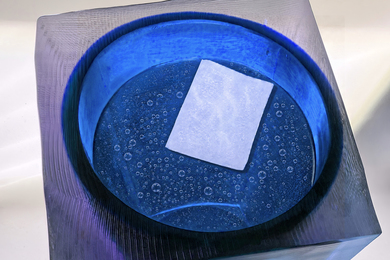
The new aerated material could enable longer-lasting bandages, implants, and wearable sensors.
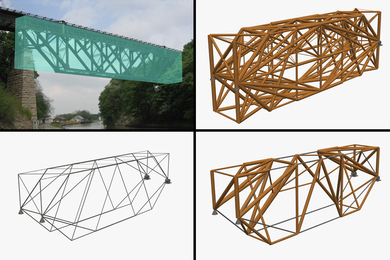
MIT researchers developed an approach for generating more buildable structures, bridging the gap between optimized design and real-world construction.
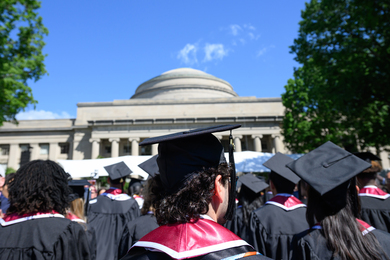
Ranking at the top for the 15th year in a row, the Institute also places first in 12 subject areas.
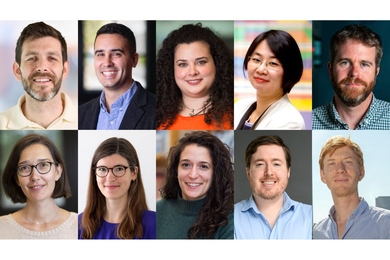
Ten faculty members have been granted tenure in five units across MIT’s School of Engineering.
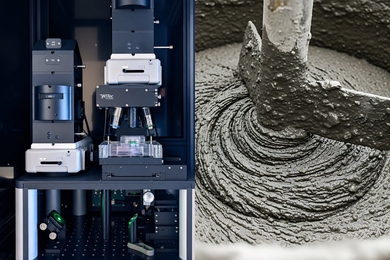
New research reveals the chemical sequence triggered by CO₂ injection in cement paste, capturing a fleeting intermediate reaction for the first time using real-time Raman spectroscopy.
Faculty members and researchers were honored in recognition of their scholarship, service, and overall excellence.
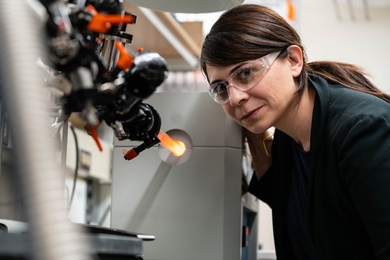
Faculty member in civil and environmental engineering will advance research and entrepreneurial initiatives across the School of Engineering.
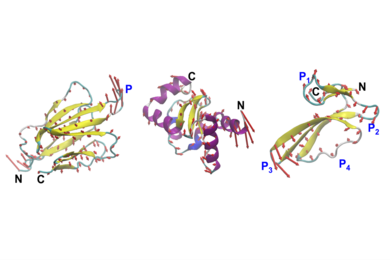
An AI model generates novel proteins based on how they vibrate and move, opening new possibilities for dynamic biomaterials and adaptive therapeutics.

This new approach adapts to decide which robots should get the right of way at every moment, avoiding congestion and increasing throughput.