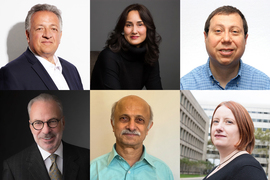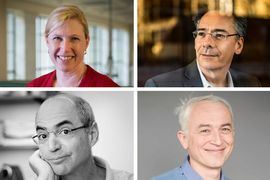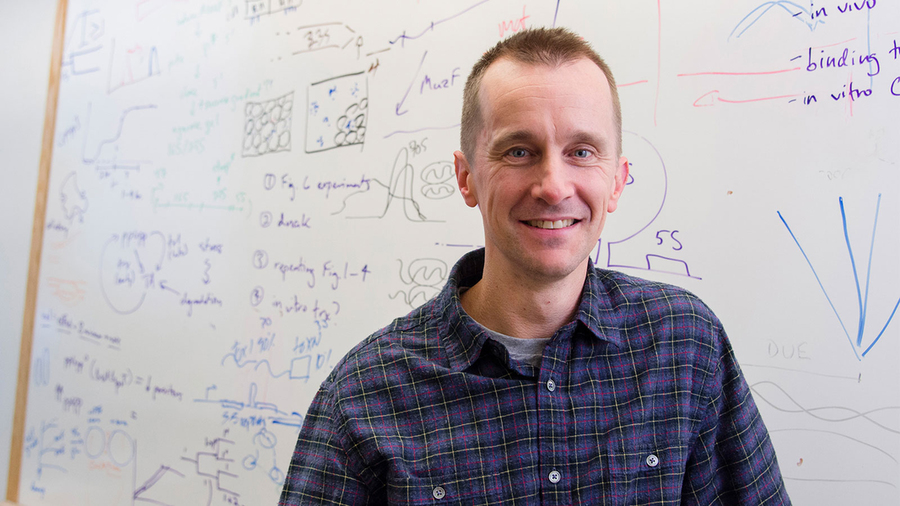
MIT Professor Michael T. Laub as well as 21 MIT alumni have been elected as fellows of the American Association for the Advancement of Science (AAAS).
The 2025 class of AAAS Fellows includes 449 scientists, engineers, and innovators, spanning all 24 of AAAS disciplinary sections, who are recognized for their scientific achievements.
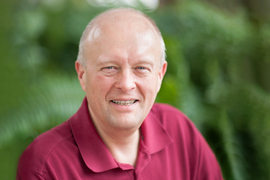
Laub, the Salvador E. Luria Professor in the MIT Department of Biology and an HHMI Investigator, studies the biological mechanisms and evolution of how cells process information to regulate their own growth and proliferation, using bacteria as a model organism to develop a deeper, fundamental understanding of how bacteria function and evolve. Laub was honored as a AAAS Fellow for distinguished contributions to the field of bacterial information processing, particularly to the understanding of coevolution of host-pathogen response and immunity.
“This year’s AAAS Fellows have demonstrated research excellence, made notable contributions to advance science, and delivered important services to their communities,” said Sudip S. Parikh, AAAS chief executive officer and executive publisher of the Science family of journals. “These fellows and their accomplishments validate the importance of investing in science and technology for the benefit of all.”
The following alumni were also named fellows of the AAAS:
- Debra Auguste ’99
- Julie Claycomb PhD ’04
- Chris Clifton ’85, SM ’86
- Kevin Crowston PhD ’91
- Maitreya Dunham ’99
- David Fike PhD ’07
- Jianping Fu PhD ’07
- Peter A. Gilman SM ’64, PhD ’66
- Diane M. Harper ’80, SM ’82
- Cherie R. Kagan PhD ’96
- Elizabeth A. Kensinger PhD ’03
- Kenro Kusumi PhD ’97
- Charla Lambert ’96
- Bennett A. Landman ’01, MNG ’02
- Michael E. Matheny SM ’06
- Paul David Ronney ScD ’83
- Steven Semken ’80, PhD ’89
- Sudipta Sengupta SM ’99, PhD ’06
- Lawrence R. Sita PhD ’86
- Jan M. Skotheim ’99
- Beverly Park Woolf ’66