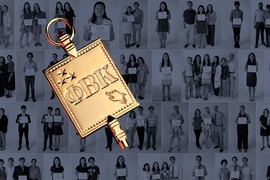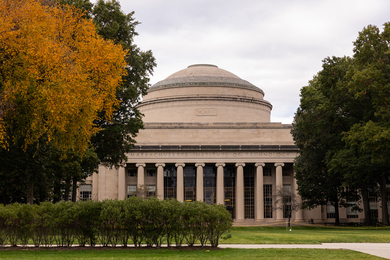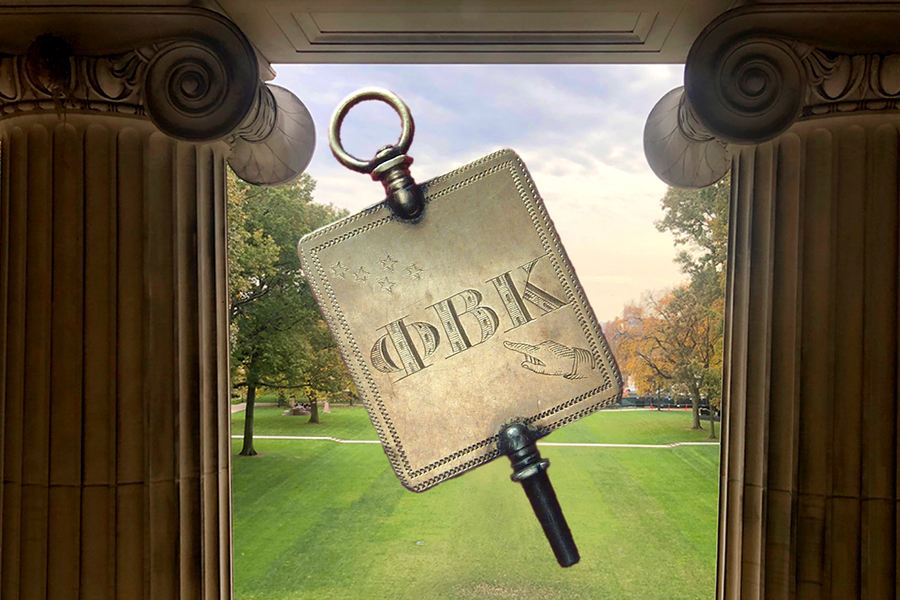
The Phi Beta Kappa Society (PBK), the nation’s oldest academic honor society, held its MIT induction ceremony this year admitting 115 graduating seniors into the MIT chapter, Xi of Massachusetts.
PBK, founded in 1776 at the College of William and Mary, honors the nation’s most outstanding undergraduate students for excellence in the liberal arts, which includes the humanities and the natural and social science fields. In addition to extraordinary students with liberal arts majors, PBK honors engineering students who have excelled in extensive coursework in the liberal arts.
Only 10 percent of higher education institutions have PBK chapters, and fewer than 10 percent of students at those institutions are selected for membership.
Each year, Xi of Massachusetts welcomes exceptional undergraduate scholars, who have been nominated by MIT faculty for their excellence in the liberal arts fields. In 2020, an unusually large cohort of 115 graduating seniors were named from MIT.
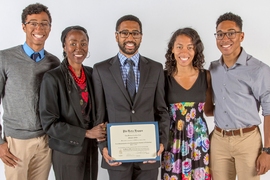
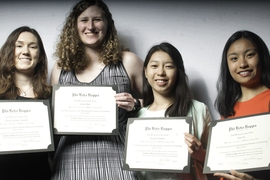
Typically, the Institute's annual PBK ceremony features a stately and celebratory gathering of the honorees, who process one by one across a stage to receive their certificates, then write their names in the MIT PBK chapter ledger. After the ceremony the new PBK members can have portraits made, often with their proud families and friends, at a festive photo booth set up for the occasion.
This year, due to the global health crisis, the 2020 MIT inductees were welcomed into the honor society in a new way — via a digital event that was, if not as social as an in-person event, every bit as heartfelt — and official — as the usual gathering.
Frederick M. Lawrence, the 10th secretary and CEO of the Phi Beta Kappa Society, delivered a digital address to the new inductees that included a compelling slide show of the history of the PBK Society. Explaining the roots of the society’s name in the “uncertain early days of the American Revolution,” Secretary Lawrence noted that “Our founders understood that broad liberal arts training is the best preparation to face great challenges.”
As ever, MIT faculty conveyed that such an education prepares our students, as Professor Diana Henderson has put it, "to thrive in particular careers, and, even more importantly, to pursue reflective, meaningful lives, using their learning to contribute to the greater good." Henderson, the associate head of MIT's Literature Section, a MacVicar Faculty Fellow, and the MIT chapter president of Phi Beta Kappa, also wrote a letter to all the new MIT inductees expressing the “sincere hope that when — eventually — there is an in-person MIT event in honor of this extraordinary class of 2020, we can hold a more enjoyable ceremony and celebration.”
And rest assured that all of the MIT inductees from the Class of 2020 were successfully introduced to the PBK secret handshake.