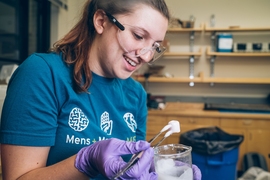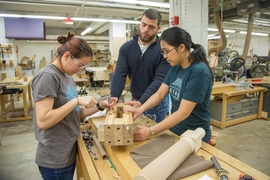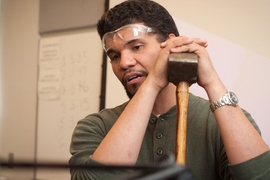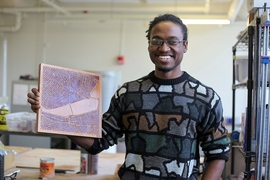
MIT joined maker communities across the country to inspire Americans of all backgrounds to create, tinker, and innovate in honor of the National Week of Making, June 17-23. The week is part of the White House's Nation of Makers initiative, an all-hands-on-deck call to provide better access to a new class of technologies for students, entrepreneurs, and citizens to design and build.
The MIT community participated in a number of activities throughout the week in Washington, including talks during the second annual National Maker Faire; a free public event held on the campus of the University of the District of Columbia; panel discussions on manufacturing and the future of making; and meetings on higher education and admissions making and digital fabrication.
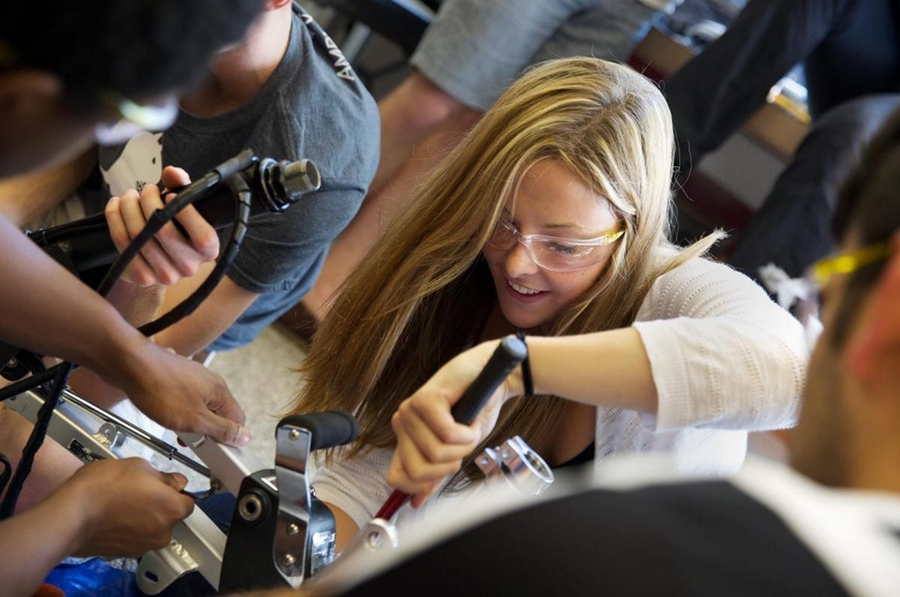
Meanwhile in Cambridge, the MIT D-Lab and MIT Museum hosted open makerspace events for members of the public of Greater Boston, and the MIT community was invited to a "Let’s Make" evening of making and sharing. A collaboration between Project Manus, the Martin Trust Center for MIT Entrepreneurship, and the MIT Alumni Association, beginners and advanced makers alike were provided with maker baggies to create as part of a team or individually, and were encouraged to share what they made with others.
“MIT is committed to fostering a generation of makers and supporting making on campus in a diversity of ways,” says Martin Culpepper, professor of mechanical engineering and MIT’s “Maker Czar.” “We are inspired by President Obama’s Nation of Makers initiative to support students across America to learn about STEM through making. MIT has joined with other higher education institutions to pledge to the president, our commitment to invest in makerspaces and support education, research, and outreach efforts to create a vibrant making ecosystem.”