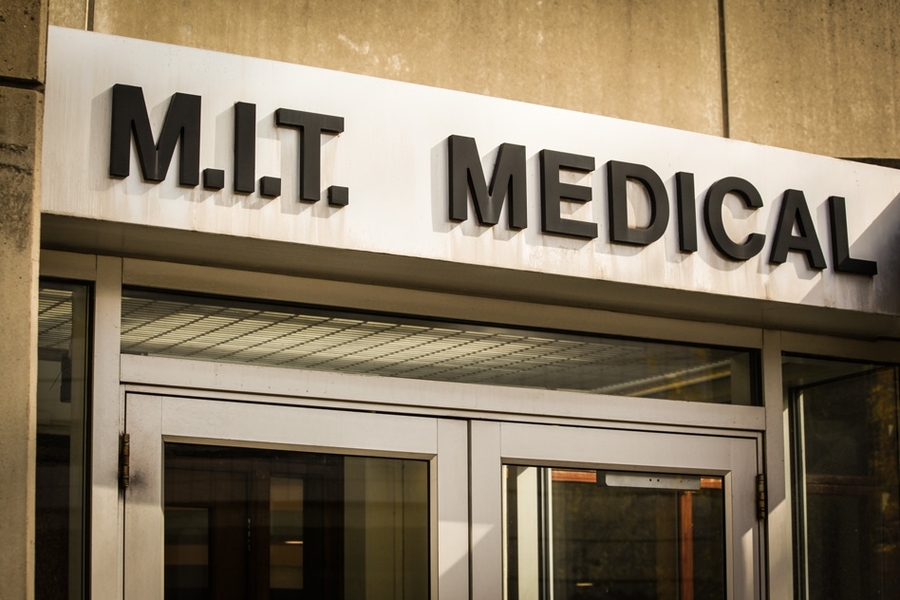
Clinicians at MIT Medical are reporting an increased number of patients with acute gastroenteritis — “probably norovirus,” says Associate Medical Director Howard Heller.
Since the beginning of the week, MIT Medical’s Urgent Care Service has seen 18 patients with diarrhea, nausea, and vomiting. Heller notes that cases do not appear to be linked to any particular dorm or dining hall. “Although four patients are from Next House,” Heller notes, “another seven are from different dormitories, and the rest live off campus.”
Norovirus, which causes a severe and acute form of gastroenteritis, can spread quickly, especially in dense, semi-closed communities like MIT, Heller notes. “Our response must be to pay extra attention to practicing good hygiene. Frequent and consistent hand-washing is the best way to prevent the spread of this type of virus.” And, he adds, research has shown that soap and water is more effective against norovirus than alcohol-based hand sanitizers.
MIT Medical is monitoring the situation closely, adds Shawn Ferullo, MIT Medical’s director of student health. “We’ll continue reviewing any new cases to see if we can discern any patterns, and we are ready to take any additional precautions that prove necessary.”