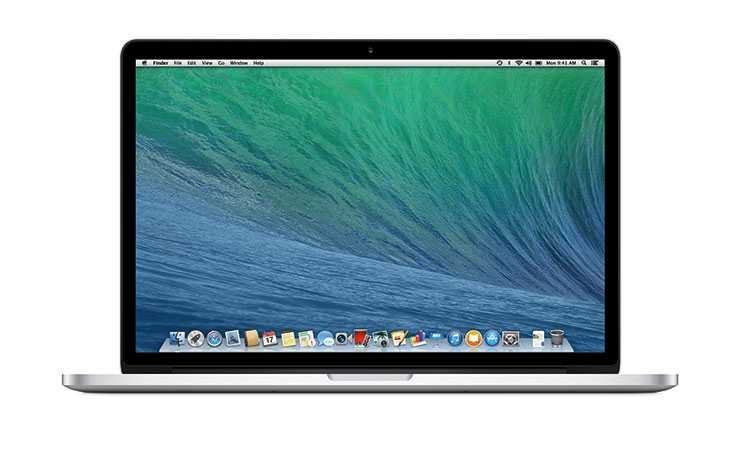
Yesterday, Apple released its newest operating system for the Mac, OS X Mavericks (10.9). Based on preliminary testing of prerelease versions of the OS, Information Services and Technology (IS&T) recommends that Mac users wait to upgrade and continue to use Mac OS X 10.7 or 10.8 while IS&T completes its review and testing of OS X Mavericks.
Why wait?
The recommendation to wait is based on two key concerns:
For more information or questions about the release process, contact the Software Release Team at swrt@mit.edu.
Limited Support
The IS&T Computing Help Desk is offering limited support for early adopters of OS X Mavericks (10.9) and for those with new machines that have OS X Mavericks preinstalled. Limited support at this time includes:
Help documentation for OS X Mavericks (10.9) can be found in the Knowledge Base. This page will be updated frequently.
For questions or assistance with OS X Mavericks, contact the Help Desk at 617.253.1101 or helpdesk@mit.edu. You can also submit a request online.
Why wait?
The recommendation to wait is based on two key concerns:
- Crucial and high-use applications need to be tested in the MIT environment.
- Vendor certification of applications under OS X Mavericks is also important.
For more information or questions about the release process, contact the Software Release Team at swrt@mit.edu.
Limited Support
The IS&T Computing Help Desk is offering limited support for early adopters of OS X Mavericks (10.9) and for those with new machines that have OS X Mavericks preinstalled. Limited support at this time includes:
- Getting connected to the MIT network
- Setting up Mail, Calendars, and Contacts with MIT's Exchange environment.
Help documentation for OS X Mavericks (10.9) can be found in the Knowledge Base. This page will be updated frequently.
For questions or assistance with OS X Mavericks, contact the Help Desk at 617.253.1101 or helpdesk@mit.edu. You can also submit a request online.