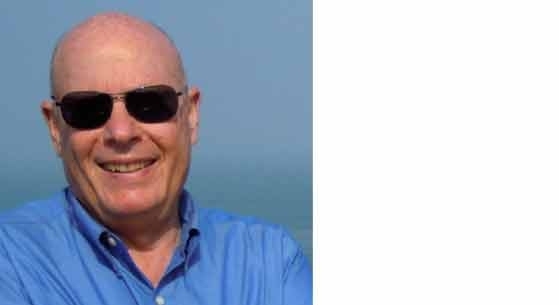
Alumnus Roger Lewis has had — and continues to have — a pretty remarkable career, as full of unexpected turns as a novelistic page-turner. The story began in Houston in the 1950s — a place he knew, by the time he was in his mid-teens, that he would eventually leave — and moved to Massachusetts when MIT offered him a full scholarship directly out of high school. He headed for Cambridge with plans to become an engineer, a mathematician or a scientist but by the middle of his sophomore year he was ready to drop out, convinced that he didn’t want to be any of those things but not at all sure what he did want to do.
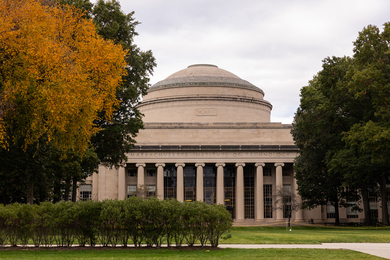
In an attempt to help him find his direction, the dean of students asked him the obvious question — What do you like to do best? — and the answer just fell out of him: ‘Draw’. So the dean suggested he consider looking into architecture. "I didn’t even know how to spell it," he says now. "But I ambled over to Building 7 and had a look around at all the drawings and models and I thought — you mean you can get credit for this?" So he signed on and began his bachelor's in architecture in his junior year.
Read the full story
In an attempt to help him find his direction, the dean of students asked him the obvious question — What do you like to do best? — and the answer just fell out of him: ‘Draw’. So the dean suggested he consider looking into architecture. "I didn’t even know how to spell it," he says now. "But I ambled over to Building 7 and had a look around at all the drawings and models and I thought — you mean you can get credit for this?" So he signed on and began his bachelor's in architecture in his junior year.
Read the full story