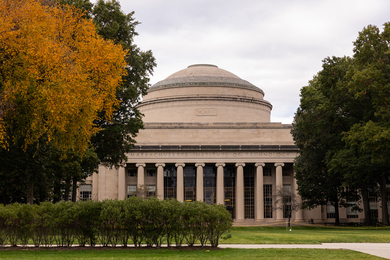
MIT recently partnered with Zimride to launch a ridesharing program for the MIT community. The Zimride platform uses Facebook integration to create a fun way to find friends to share commutes or one-time rides. This private network empowers individuals to join together and reduce campus traffic, parking challenges and could provide cost-savings for the community.
”We are excited to offer a new program that allows people to easily share rides to campus,” said Larry Brutti, MIT’s parking and transportation operations manager. Over 1,200 people have joined Zimride since September when the program started.
Zimride developed a custom rideshare solution to serve MIT’s campus population. Through Zimride’s web-based interface, the community can find others with similar commuting patterns or one-time rides. As a social network platform with optional Facebook integration, Zimride is fun to use and helps establish trust among users. Just like with Facebook, Zimriders can view profiles for common networks, interests and friends before deciding to share a ride.
Zimride is the largest online social rideshare community in North America with 350,000-plus users. It has implemented private rideshare communities for more than 80 of the nation’s leading universities and companies.
Now all Institute students, faculty and staff can access the free MIT Zimride network. The private system requires an “mit.edu” email address suffix to gain access.
Zimride is just one of several ridesharing programs offered through the Parking and Transportation Office. If you have any questions about this or other programs offered to the community, contact commuting@mit.edu.
”We are excited to offer a new program that allows people to easily share rides to campus,” said Larry Brutti, MIT’s parking and transportation operations manager. Over 1,200 people have joined Zimride since September when the program started.
Zimride developed a custom rideshare solution to serve MIT’s campus population. Through Zimride’s web-based interface, the community can find others with similar commuting patterns or one-time rides. As a social network platform with optional Facebook integration, Zimride is fun to use and helps establish trust among users. Just like with Facebook, Zimriders can view profiles for common networks, interests and friends before deciding to share a ride.
Zimride is the largest online social rideshare community in North America with 350,000-plus users. It has implemented private rideshare communities for more than 80 of the nation’s leading universities and companies.
Now all Institute students, faculty and staff can access the free MIT Zimride network. The private system requires an “mit.edu” email address suffix to gain access.
Zimride is just one of several ridesharing programs offered through the Parking and Transportation Office. If you have any questions about this or other programs offered to the community, contact commuting@mit.edu.