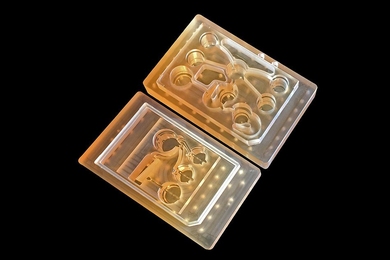
“Body on a chip” could improve drug evaluation
Human tissue samples linked by microfluidic channels replicate interactions of multiple organs.
Human tissue samples linked by microfluidic channels replicate interactions of multiple organs.

MIT biological engineers discover why a promising drug failed in clinical trials.
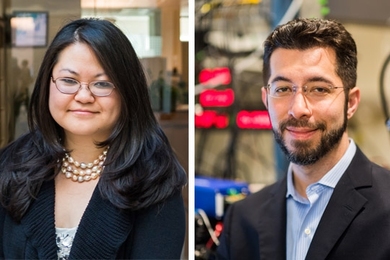
Neuroengineering leader appointed to new professorship at the McGovern Institute for Brain Research.
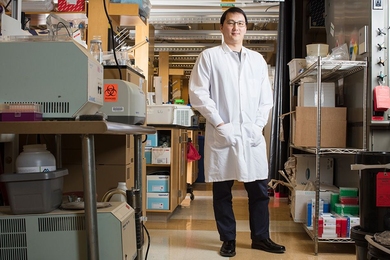
Synthetic biologist hopes to develop treatments for cancer and other diseases.
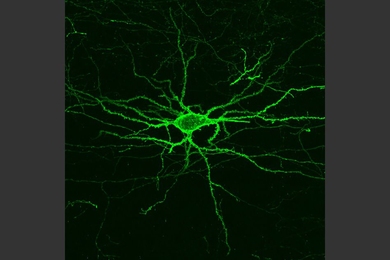
Fluorescent sensor allows imaging of neurons' electrical communications, without electrodes.
![According to Corban Swain, a first-year PhD student in biological engineering, a great headshot relies on fine facial details and angles of light: “Fifty-plus percent is just forming a connection with the person … just to break the tension. [Then there are] angular things, where you put the light, the shoulders, a head tilt. You know when photographers do that? They’re actually doing stuff!...](/sites/default/files/styles/term_page__news_article/public/images/201802/MIT-Profile-Swain.jpg?itok=9MTlBw20)
Photographer, poet, and PhD student in biological engineering Corban Swain pursues diverse interests with a keen eye.

New members have made advances in the development of plasticity, novel genetic evolution methods, systems modeling, and clean energy.
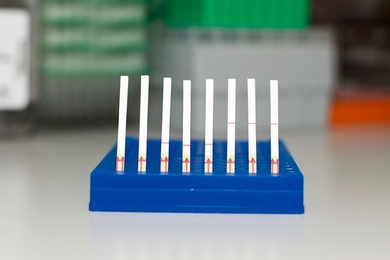
With SHERLOCK, a strip of paper can now indicate presence of pathogens, tumor DNA, or any genetic signature of interest.
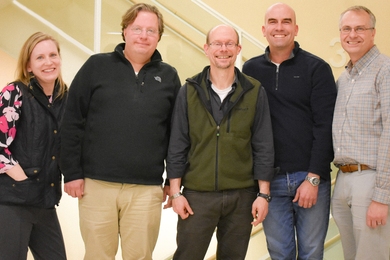
New cancer research initiative eyes individualized treatment for patients.
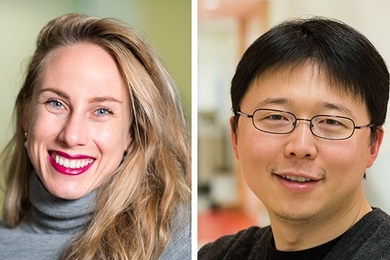
Prize recognizes contributions to biomedical research made by immigrant scientists.

New research provides insight into the behavior of microbial communities in the ocean.

Faculty members were recognized for excellence via a diverse array of honors, grants, and prizes over the last quarter.
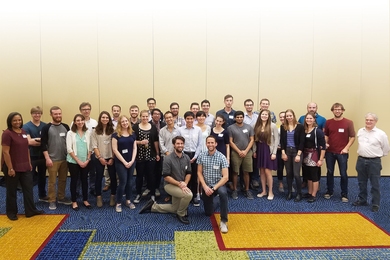
The Microbiology Graduate PhD Program spans 50 labs across 10 departments and divisions, offering a broad approach to microbial science and engineering.
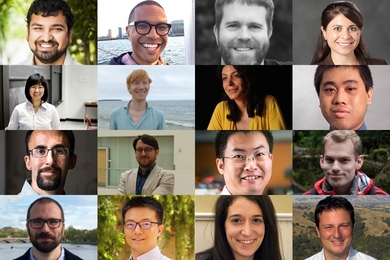
Sixteen new professors join seven of the school’s departments.
New strategy could enable existing drugs to kill bacteria that cause chronic infections.