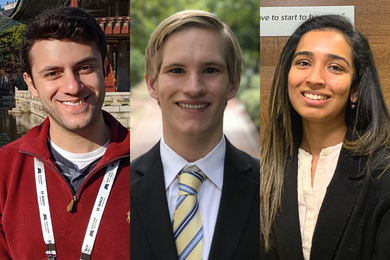
Three MIT students selected as inaugural MIT-Pillar AI Collective Fellows
The graduate students will aim to commercialize innovations in AI, machine learning, and data science.
The graduate students will aim to commercialize innovations in AI, machine learning, and data science.

Thirteen new graduate student fellows will pursue exciting new paths of knowledge and discovery.
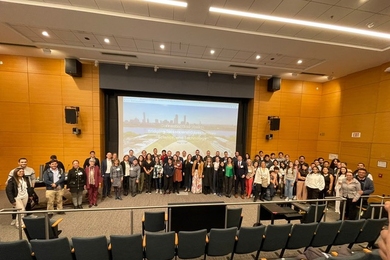
Bridging Talents and Opportunities event serves as an outreach initiative for the Latin community.
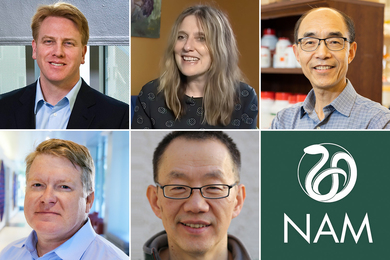
Five MIT faculty, along with seven additional affiliates, are honored for outstanding contributions to medical research.
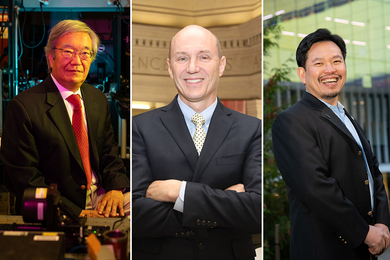
Professor and two additional MIT affiliates honored for influential work on optical coherence tomography, which allows rapid detection of retinal disease, among other applications.
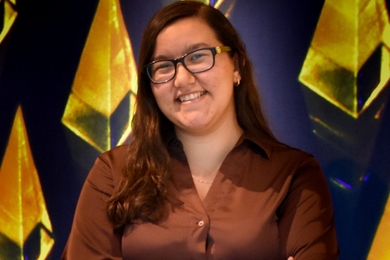
Howard Hughes Medical Institute Gilliam Fellows are selected for their promise as future leaders in their scientific fields and for their commitment to advancing equity and inclusion.
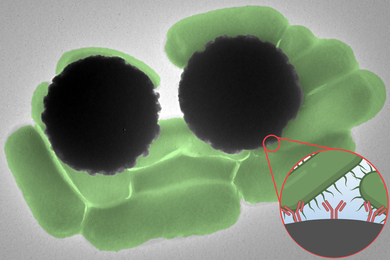
The findings point to faster way to detect bacteria in food, water, and clinical samples.
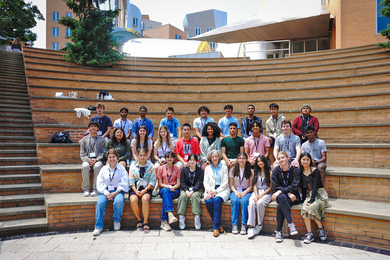
A one-week summer program aims to foster a deeper understanding of machine-learning approaches in health among curious young minds.
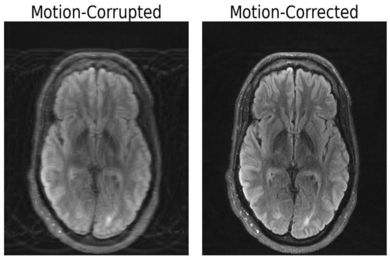
The challenge involves more than just a blurry JPEG. Fixing motion artifacts in medical imaging requires a more sophisticated approach.
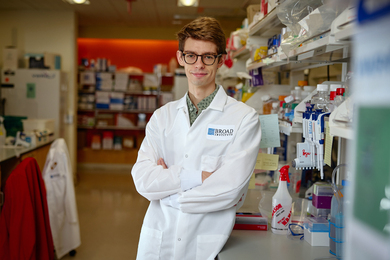
PhD student Constantine Tzouanas investigates how interactions between individual cells help determine whether pathogens will defeat their hosts — or vice versa.
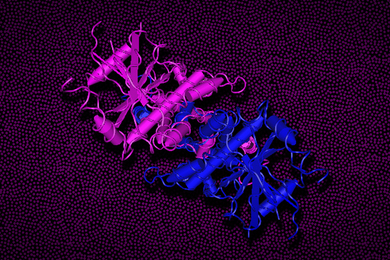
In addition to turning on genes involved in cell defense, the STING protein also acts as an ion channel, allowing it to control a wide variety of immune responses.
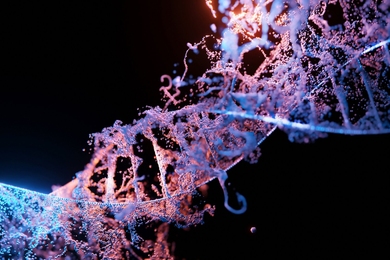
BioAutoMATED, an open-source, automated machine-learning platform, aims to help democratize artificial intelligence for research labs.

C16 Biosciences, founded by MIT alumni, has developed a microbial oil to replace palm oil, whose production reaps environmental devastation.
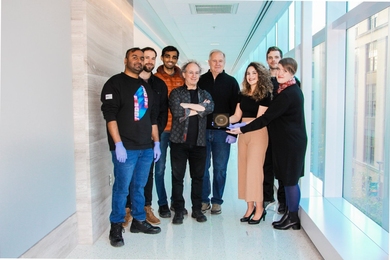
The HUMANS nanowafer, an MIT Space Exploration Initiative student-led project, will travel to the ISS this month, and later to the moon, carrying messages in more than 64 languages from over 80 countries.
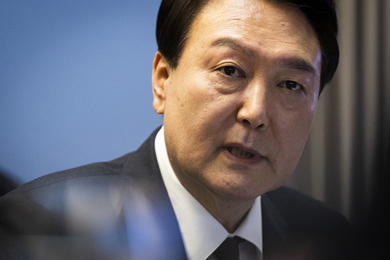
A campus summit with the leader and his delegation centered around dialogue on biotechnology and innovation ecosystems.