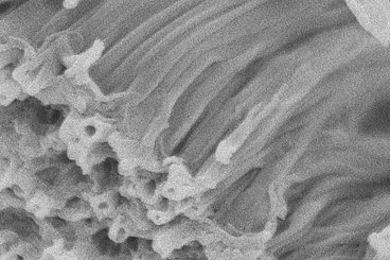
Research update: Continuous medical monitoring
Tiny 'microworms' could be implanted under the skin to give readout of blood sugar levels or other biomedical information.
Tiny 'microworms' could be implanted under the skin to give readout of blood sugar levels or other biomedical information.
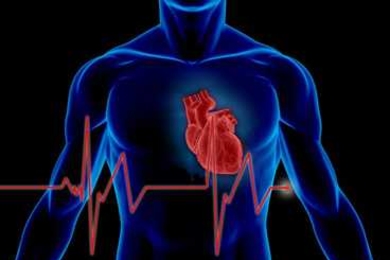
New implantable sensor finds telltale signs; technology could also be adapted to monitor cancer and other diseases.

Several alumni also elected among 68 new members announced today
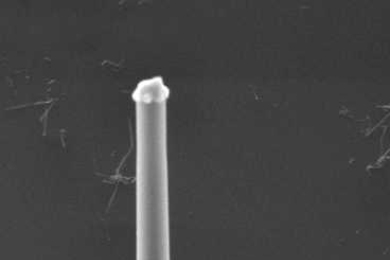
Researchers find simple, inexpensive method to produce silicon wires for sensors, batteries and solar cells.

'Fiercely dedicated to MIT students,' she established fellowship prior to leaving the Institute.

A new approach to invisibility cloaking gets much closer to the science-fiction version, using simple and inexpensive materials.

MIT symposium finds electric vehicle technology capabilities are way ahead of policy and infrastructure needs.
MIT research uncovers new process relating to the way drops of water spread after striking a surface.

Researchers identify a fundamental property of how water and other liquids move at different temperatures.
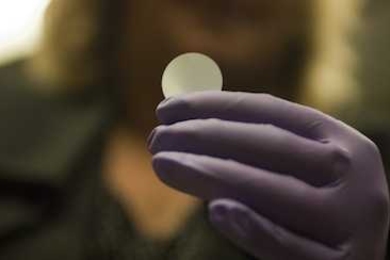
Technique could produce filters that select molecules according to their chemical properties and dimensions.
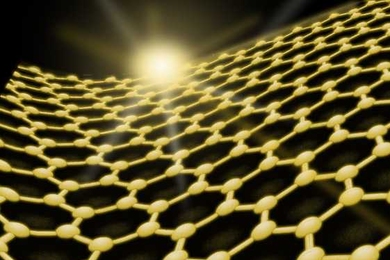
Researchers identify technique that could make a new kind of solar photovoltaic panel practical.
Implanted device can release slow, steady dose of medicine over extended period, removing the need for repeated procedures.
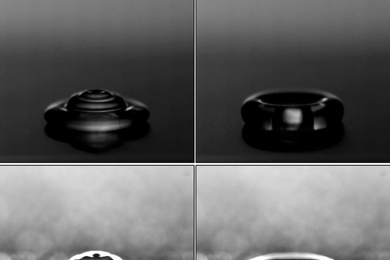
Research from MIT and GE demonstrates that a proposed passive solution for preventing ice on wings won’t work — but suggests an alternative.

Megan Brewster used OCW to design a small-scale plastics recycling program in Guatemala.
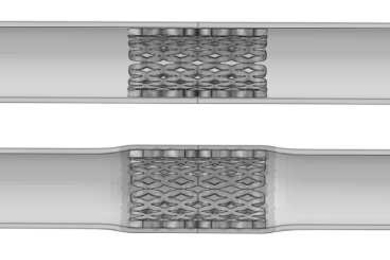
MIT analysis should enable easier design for biomedical uses of plastic materials that have a shape memory.