
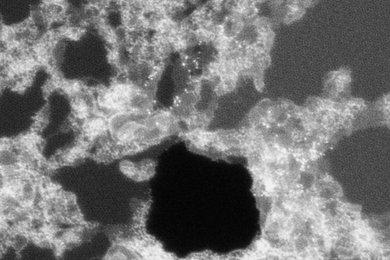
Tiny pores in graphene could give rise to membranes
New membranes may filter water or separate biological samples.

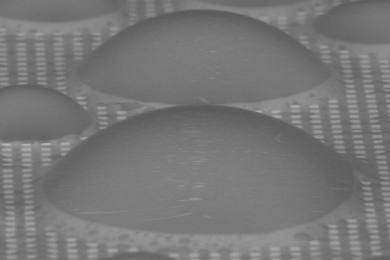
A better way to shed water
MIT researchers find that lubricated, nanotextured surfaces improved performance of condensers in power and desalination plants.

3 Questions: A Web for everyone
Judy Brewer leads the Web Accessibility Initiative, which developed standards that help make the Web accessible to people with disabilities.

Researchers examine health impacts of more U.K. runways
Study: An expanded Heathrow Airport would lead to 100 more pollution-related early deaths annually in the U.K. by 2030.
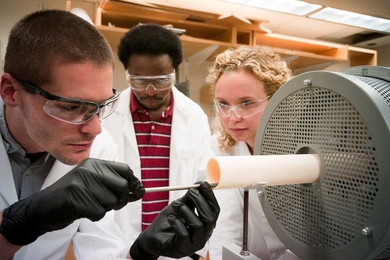
Department snapshot: Mechanical Engineering
More MechE students choose to design their own education.

‘Invisibility’ could be a key to better electronics
MIT team applies technology developed for visual ‘cloaking’ to enable more efficient transfer of electrons.
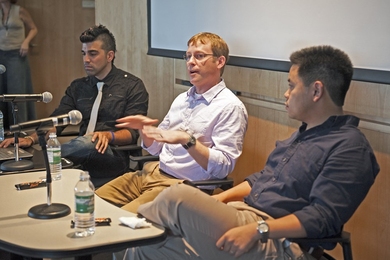
MIT alums recount their Martian experiences
Several AeroAstro alumni return to campus to describe landing the Curiosity rover on Mars.

MIT's CSAIL launches new center to tackle the future of wireless and mobile technologies
Will address major technical challenges facing wireless field, bring together academia and industry
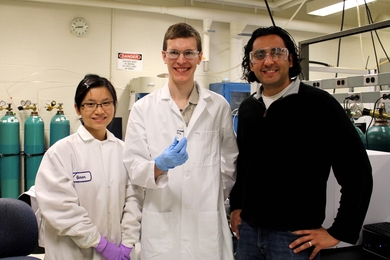
A new way to create rare sugars
MIT team discovers an inorganic catalyst that could pave the way to a more robust synthesis of valuable rare sugars.
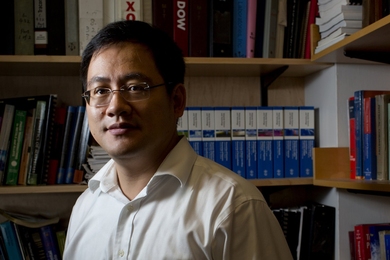
Profile: Ju Li explores new nanomaterials
Working from the scale of atoms on up, he designs materials for future energy applications.
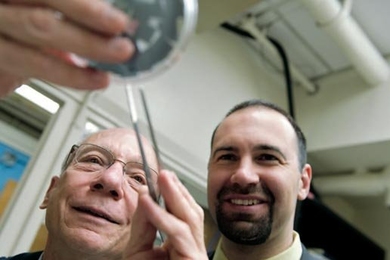
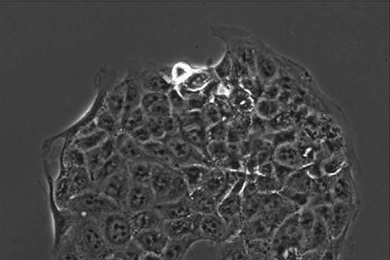
How cancer cells break free from tumors
New MIT study identifies adhesion molecules key to cancer’s spread through the body.