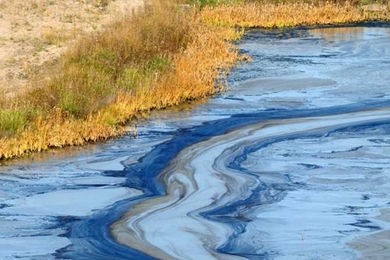
How to clean up oil spills
MIT researchers devise a surprisingly simple but effective method for magnetically separating oil and water.
MIT researchers devise a surprisingly simple but effective method for magnetically separating oil and water.
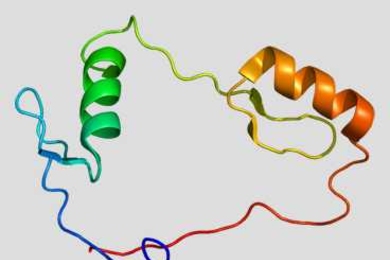
A new method identifies the precise binding sites of transcription factors — proteins that regulate the production of other proteins — with 10 times the accuracy of its predecessors.
Graduate students in computer science, bioengineering and business honored.
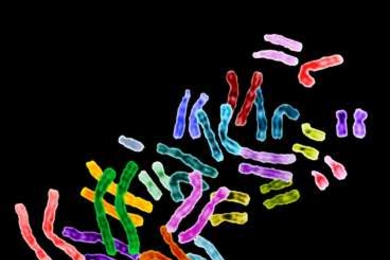
New map provides a reference for interpreting function of disease-associated regions.
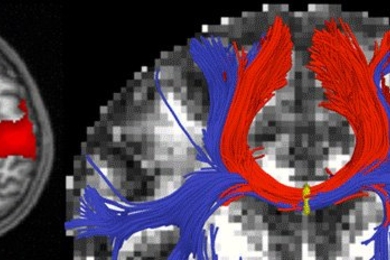
New algorithm can analyze information from medical images to identify diseased areas of the brain and connections with other regions.

A new system that automatically streamlines database access patterns can make large Web applications up to three times as fast.

Where other roboticists try to suppress the complex dynamics of mechanical systems, Russ Tedrake exploits them, to make control more efficient and versatile.

A new system for crowdsourcing database operations spares the user from worrying about the computational details but improves cost effectiveness.
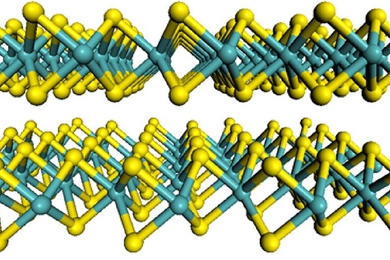
MIT researchers produce complex electronic circuits from molybdenum disulfide, a material that could have many more applications.
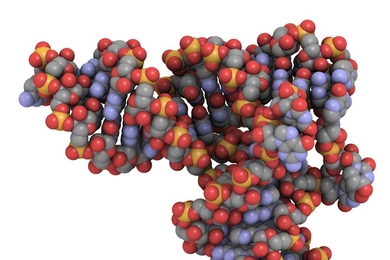
Particles that shut off cancer genes could also allow researchers to screen potential drug targets more rapidly.
A recent paper out of Manolis Kellis' group shows the wisdom of crowds when it comes to selecting methods for analyzing gene regulatory networks.
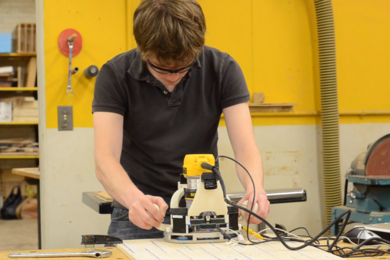
Handheld device precisely follows a digital plan with minimal guidance from a user.