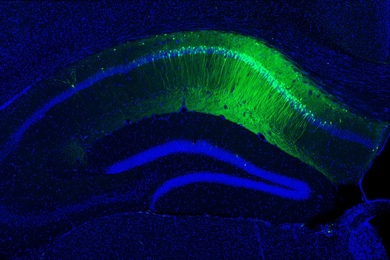
MIT neuroscientists build case for new theory of memory formation
Existence of “silent engrams” suggests that existing models of memory formation should be revised.
Existence of “silent engrams” suggests that existing models of memory formation should be revised.

Alumni and friends gather at the Boch Center Wang Theatre to celebrate the vibrant MIT community and the Institute's ambitious dreams for a better world.

Before assigning responsibility, our minds simulate alternative outcomes, study shows.
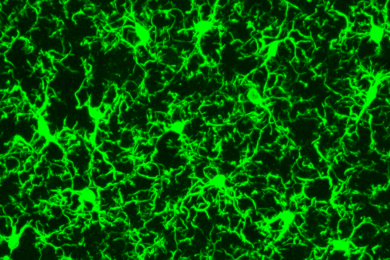
Neuroscientists identify genetic changes in microglia in a mouse model of neurodegeneration and Alzheimer's disease.
For the first time, researchers have identified neural signatures of explicit and implicit learning.
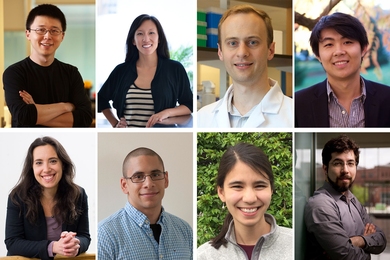
Awards support high-risk, high-impact biomedical research.

Study finds infants try harder after seeing adults struggle to achieve a goal.

MIT associate professor and member of the Broad Institute and McGovern Institute recognized for commitment to invention, collaboration, and mentorship.
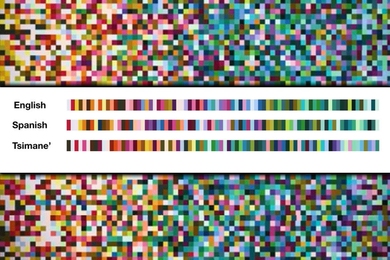
Cognitive scientists find that people can more easily communicate warmer colors than cool ones.
Bacterial populations in mother’s GI tract may play a central role.

IBM plans to make a 10-year, $240 million investment in new lab with MIT to advance AI hardware, software, and algorithms.
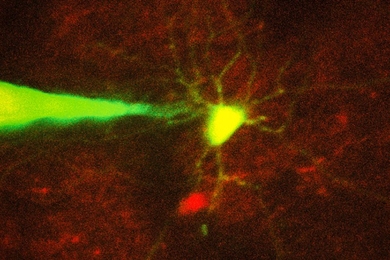
Success rate is comparable to that of highly trained scientists performing the process manually.
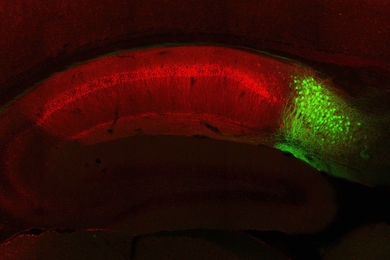
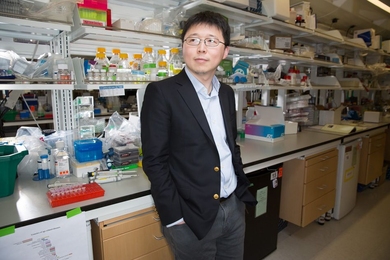
Five recipients honored for their fundamental and complementary accomplishments related to CRISPR-Cas9.

MIT study suggests a new approach to developing treatments for Alzheimer’s disease.